
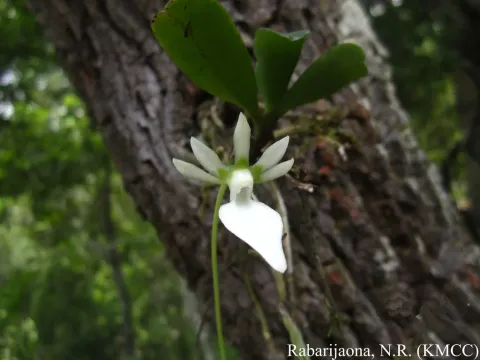
Neobathiea
Neobathiea
Neobathiea is a specialized genus of epiphytic orchids belonging to the Orchidaceae family. Native primarily to Madagascar and the Comoros, these plants are prized by collectors for their intricate flowers and unique growth patterns.
What the section contains

Neobathiea
Successful cultivation requires simulating a tropical climate. High relative humidity, consistently above 70%, is essential for the healthy development of their aerial root systems, which absorb moisture directly from the atmosphere.
The plants thrive in intermediate temperature ranges, ideally between 20°C and 25°C during the day. A significant drop in nighttime temperature is beneficial for the plant's biological cycle, often triggering the development of inflorescences.
Because they are epiphytes, Neobathiea should never be planted in standard soil. A porous, well-draining medium, such as high-quality bark, charcoal, and perlite, is necessary to prevent root rot and ensure proper gas exchange.
Light levels must be bright but filtered. Intense tropical sun can scorch the foliage, while insufficient light will lead to weak growth and the failure of the plant to bloom during the expected season.
The most significant threat to the Neobathiea genus is poor drainage, which inevitably leads to fungal pathogens and root decay. Overwatering is the primary cause of plant loss among amateur growers.
Insect pests, specifically scale insects and spider mites, can cause severe damage. Spider mites thrive in the low-humidity conditions sometimes found in home environments, quickly draining the plant's vigor.
Bacterial soft rot, often triggered by water settling in the leaf axils, can destroy a specimen within days. Removing any standing water from the heart of the plant after watering is a mandatory maintenance practice.
Virus transmission is a silent danger; using unsterilized tools during pruning or division can spread pathogens between plants. Sanitation of all horticultural equipment is the most effective preventative strategy.
Environmental stress, such as sudden drafts or extreme temperature fluctuations, lowers the plant's immune response. A stable microclimate is crucial for maintaining resistance against common opportunistic diseases.