
Neotinea
Neotinea
Neotinea is a genus of perennial herbaceous plants belonging to the Orchidaceae family. These terrestrial orchids are primarily native to the Mediterranean region, extending across parts of Europe, North Africa, and the Middle East, occupying diverse natural habitats.
What the section contains


Neotinea
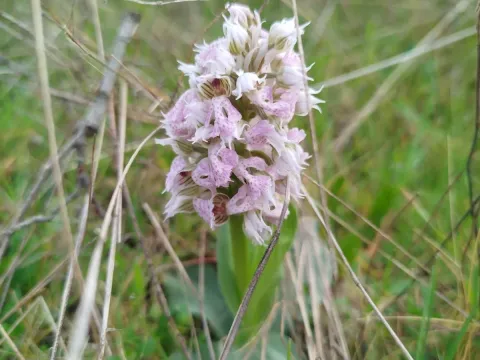
Botanically, Neotinea species are characterized by their tuberous roots that store essential nutrients for the plant's survival during dormant periods. They typically feature a basal rosette of leaves and a compact terminal inflorescence consisting of numerous small flowers, which display subtle shades of white, pink, or purple.
The environmental requirements for these plants are quite specific, favoring well-drained, lime-rich soils and open areas such as grasslands or sparse woodland. They thrive in moderate climatic conditions where temperatures are stable and winter moisture is sufficient but not stagnant.
A crucial factor in the life cycle of Neotinea is its mandatory symbiotic relationship with specific soil fungi. This mycorrhizal association is essential not only for the germination of dust-like seeds but also for the long-term nutritional support of mature plants in their natural ecosystem.
Given the sensitivity of Neotinea to environmental changes, it is not cultivated as a commercial agricultural crop. Its value remains primarily scientific and botanical, with efforts focused on preserving the remaining wild populations in protected areas.
The primary threats to Neotinea populations involve land-use changes, such as the conversion of natural meadows into intensive agricultural plots and the abandonment of traditional grazing practices that previously kept the landscape clear.
Biological threats include various fungal pathogens that can affect the tubers if the soil drainage is compromised, as well as insects such as aphids that can transmit viruses during the active growing season.
Increased soil compaction and chemical fertilizer runoff from neighboring agricultural fields can drastically alter the soil microbial balance, indirectly harming the mycorrhizal fungi required by the orchid.
Climate change poses a long-term risk, as altered precipitation patterns during the critical spring growth period can lead to reproductive failure and a decline in population density.
Conservation strategies should prioritize the protection of calcareous grasslands and the monitoring of local ecosystems to prevent further decline of these unique botanical specimens.