
Description
Symptoms
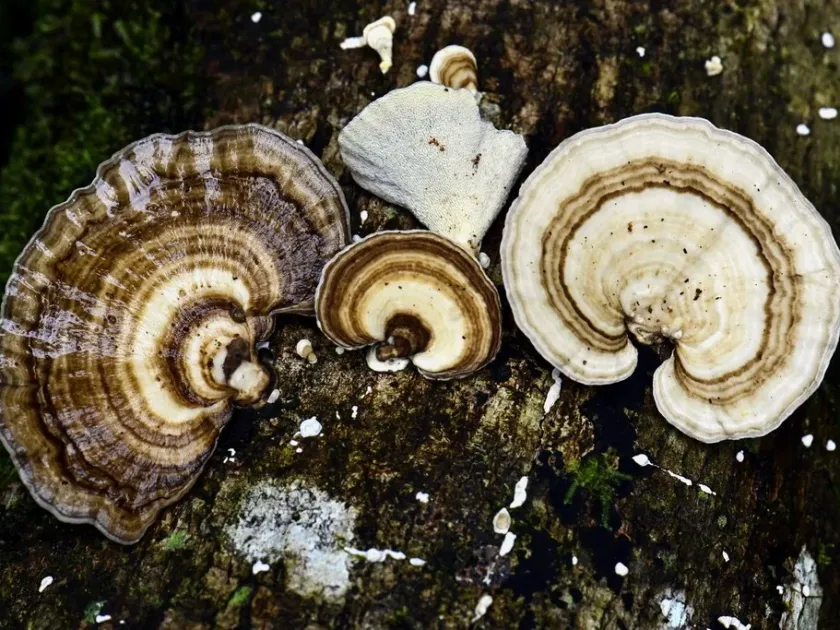
The primary symptom of the infection is the appearance of distinct fungal fruit bodies (conks) on the surface of the tree trunk or major branches.
These fruit bodies are typically dark brown or black in color with a porous undersurface characterized by tiny, needle-like projections.
As the infection advances, the internal wood tissue becomes softened, often changing its color to a pale or brownish hue due to the decay.
In the areas of infection, the bark may show visible cracks, revealing the development of mycelial mats underneath.
For affected Indian mango trees, the overall health declines, manifested by crown dieback and premature leaf drop as the transport of water and nutrients is blocked.
Pathogen
The disease is caused by the wood-decaying fungus Hexagonia hydnoides, which belongs to the family Polyporaceae of the Basidiomycota phylum.
This pathogen acts as a bracket fungus that typically colonizes dead or weakened wood, gaining entry through injuries in the tree's bark.
The fungus functions primarily as a saprotroph but can often behave as a parasite, effectively degrading the structure of the host tree.
The mycelium of the fungus penetrates deep into the xylem, secreting enzymes that break down lignin and cellulose components of the wood tissue.
In its natural habitat, this species is prevalent in tropical forests, where it serves as a key agent in the decomposition of woody debris.
Conditions for development
Warm and humid environments are the most conducive to the rapid spread and growth of Hexagonia hydnoides.
Optimal temperatures for the fungal development range between +25°C and +30°C, typical of tropical cultivation regions.
Mechanical injuries to the bark caused by poor pruning, pest activity, or storm damage serve as the primary infection entry points.
Plantations with dense spacing experience reduced airflow, creating a stagnant microclimate that supports spore germination.
Trees already suffering from nutritional deficiencies or other environmental stressors exhibit much higher susceptibility to colonization by this fungus.
Why it matters
The most severe impact is the progressive degradation of the trunk's mechanical strength, making the tree structurally unsound.
Decayed trees are at a high risk of being uprooted or breaking during high winds, potentially leading to total loss of the specimen.
Damage to the vascular system disrupts nutrient transport, which significantly lowers fruit yield and degrades the quality of the mango harvest.
The fungus acts as a persistent source of inoculum, endangering nearby healthy trees and leading to widespread disease outbreaks in the orchard.
Eventually, if left unmanaged, the infection leads to the death of the tree, causing significant financial losses for agricultural producers.
Protection
The primary control measure involves strict sanitation, including the prompt removal and destruction of trees showing active fruit bodies.
All pruning wounds or accidental bark injuries must be promptly sealed with specialized fungicidal pastes or wound dressings.
Good agricultural practices, such as proper fertilization and irrigation, are essential to maintain tree vigor and enhance natural resistance.
Regular orchard inspections are crucial to identify early stages of decay and to take corrective actions before the fungus reaches the heartwood.
Pest management programs should be implemented to prevent insect damage to the bark, thereby eliminating potential entry sites for the fungal infection.
Pathogens and affected parts
Affects crops · 1
Discussion
No discussions yet — be the first.