
Description
Symptoms
The primary symptom is the development of water-soaked lesions that rapidly expand in size. These lesions are soft to the touch and often lead to the complete collapse of the plant structure.
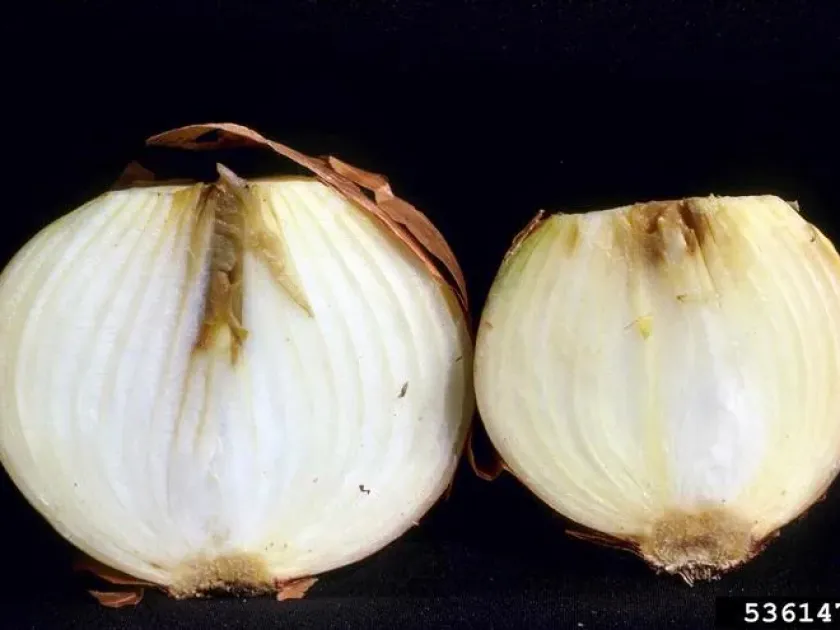
As the infection progresses, the affected tissue undergoes maceration, turning into a foul-smelling, mushy, and slimy mass. This distinct odor is a hallmark of the advanced stages of the disease.
In root crops and tubers, the decay can be localized or systemic, often showing a clear separation line between the healthy and necrotic tissue. The infected areas lose their integrity and structure almost entirely.
In Indian mango, bacterial soft rot manifests as dark, soft patches on the fruit skin, which quickly penetrate deeper into the pulp. This not only destroys the fruit but also creates high-humidity pockets that spread the rot to adjacent fruits.
In stems or stalks, the disease causes yellowing and wilting, often leading to the plant toppling over. The base of the stem may become black and soft, severing the connection between the root system and the upper parts of the plant.
Pathogen
The causal agent of this disease is the Gram-negative, facultative anaerobic bacterium Pectobacterium carotovorum, belonging to the Pectobacteriaceae family. It is a highly aggressive pathogen known for its ability to secrete large amounts of pectinolytic enzymes.
These enzymes effectively dissolve the pectin that binds plant cells together, leading to the rapid breakdown of tissue architecture. The pathogen can survive in soil, crop residues, and infected plant organs, acting as a persistent source of infection.
The bacteria typically enter plant tissues through natural openings such as lenticels or via wounds caused by insect feeding, hail, harvesting, or improper handling. Once inside, they exploit the nutrient-rich environment for rapid multiplication.
Pectobacterium carotovorum has a very broad host range, infecting many economically important crops including potatoes, carrots, onions, crucifers, tomatoes, and various tropical fruits like Indian mango.
This pathogen is widely distributed globally and is a major concern in both field production and post-harvest storage. Its ability to proliferate under anaerobic conditions makes it particularly destructive in waterlogged fields or poorly ventilated storage facilities.
Conditions for development
High moisture and humidity are the most critical factors for the development of the disease. Waterlogging in fields prevents proper soil aeration, creating the anaerobic conditions that Pectobacterium carotovorum thrives in.
The optimal temperature for bacterial activity typically ranges from 20°C to 30°C. In such conditions, the disease can spread explosively, turning healthy tissues into a degraded state within only a few days.
Mechanical injuries are the main gateways for the infection. Harvesting during wet weather, improper packaging, or rough handling during transportation significantly increases the incidence and severity of the rot.
In storage, inadequate ventilation and poor temperature control promote the spread of the bacteria. High density of produce in storage facilities allows the pathogen to move easily from one infected item to the rest of the batch.
Soil management, including drainage and avoiding over-irrigation, is essential. Furthermore, the presence of certain insect pests that feed on plant tissues can facilitate the introduction and rapid spread of the bacterial inoculum.
Why it matters
The damage caused by this pathogen is severe, often resulting in total loss of the harvest. Infected vegetables and fruits are generally unsalable and unsuitable for human consumption due to the rapid degradation and presence of toxins.
In the field, soft rot can lead to poor plant establishment, significantly reducing yields and impacting the economic viability of the farm. Replanting costs and loss of labor input are significant burdens for growers.
Post-harvest losses are arguably the most devastating aspect. An entire shipment or a full storage unit can be compromised due to one or two initially infected items, leading to significant financial losses for distributors and retailers.
For international trade of crops like mango, the presence of this pathogen can lead to the rejection of entire consignments at customs, damaging the reputation of producers and causing massive economic disruptions.
The pathogen can also persist in the soil for years, limiting the choice of crops for rotation. This restricts agricultural land use and forces farmers to invest in costly soil disinfection or preventative measures.
Protection
Crop rotation is one of the most effective cultural control measures. Avoid planting susceptible crops in the same field for several years to allow the bacterial population in the soil to decline naturally.
Field management should focus on improving soil drainage and aeration. Avoid over-irrigation, especially during the final stages of growth, and ensure efficient weed control to promote air circulation around the plants.
Careful harvesting practices are crucial. Produce should be handled gently to avoid cuts and bruises, and harvested only when the fields are sufficiently dry to prevent excessive moisture during storage.
Strict sanitation protocols in storage facilities are mandatory. Disinfecting containers, warehouses, and transport vehicles before and after each season helps minimize the build-up of bacterial inoculum.
Utilizing resistant or tolerant cultivars, alongside integrated pest management to reduce physical damage to plants, is essential. Some growers also use biological control agents, such as Bacillus subtilis, to suppress pathogen growth.
Pathogens and affected parts
Affects crops · 1
Discussion
No discussions yet — be the first.