
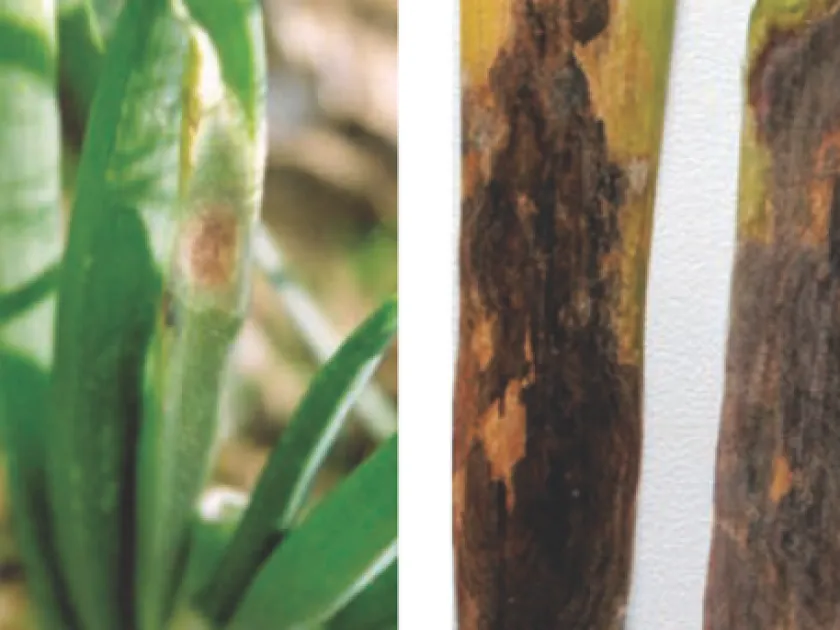
Description
Symptoms
Early symptoms typically manifest as small, chlorotic or pale lesions that gradually develop into distinctive elongated or oval-shaped brown spots on leaves.
As the infection progresses, these spots expand significantly and may develop a dark, olive-green to black moldy layer in the center, which consists of fungal spores.
In many affected species, severe infection causes the leaves to curl, dry out, and eventually drop off, leading to premature defoliation of the entire plant.
Stem and stalk lesions may also appear, which can weaken the plant structure, causing lodging or death of individual shoots during extreme disease outbreaks.
On fruits, the lesions start as small depressions that can coalesce, creating large necrotic areas that compromise the quality and shelf-life of the product.
Pathogen
The disease is caused by the fungus Stemphylium vesicarium, which is classified as an ascomycete and is known for its wide host range across various agricultural crops.
This pathogen survives the winter in the form of mycelium and sclerotia within crop debris, which acts as a primary source of inoculum for the next growing season.
Reproduction occurs through the formation of conidia, which are efficiently dispersed by splashing rain and air currents throughout the field.
Beyond being a plant pathogen, Stemphylium vesicarium is known to act as a saprophyte, colonizing decaying plant matter to ensure its survival when hosts are absent.
The fungus is particularly noted for causing fruit spotting in mangoes and severe foliage damage in vegetable crops like onions, garlic, and tomatoes.
Conditions for development
Warm and humid environments are essential for the development of the fungus, with optimal temperatures for infection usually falling between 20°C and 25°C.
Extended periods of leaf wetness, often caused by heavy dew, frequent rain, or overhead irrigation, significantly increase the risk of disease spread.
High planting density contributes to the problem by restricting airflow and maintaining a consistently high relative humidity within the plant canopy.
Plants that are stressed due to nutrient imbalances or poor drainage are significantly more susceptible to successful colonization by the fungal spores.
Warm temperatures combined with overcast conditions provide the perfect climate for rapid conidial germination and host tissue invasion.
Why it matters
The disease leads to substantial reductions in crop yield by destroying the photosynthetic machinery, which limits the plant's ability to produce sugars and energy.
Stemphylium leaf spot causes severe market value loss because the visible necrotic lesions render fruits and vegetables aesthetically unappealing to consumers.
In crops like onions, the infection can move into the bulb tissue, leading to post-harvest decay that renders the stored product completely unsaleable.
Economic damage is exacerbated by the need for repeated fungicide applications, which increase production costs and complicate integrated pest management plans.
Failure to control the disease early can lead to rapid epidemic development, potentially resulting in complete destruction of high-value crops in favorable conditions.
Protection
Integrated disease management strategies, including crop rotation and the destruction of infected debris, are essential to break the survival cycle of the fungus.
Improved cultural practices such as optimizing plant spacing and improving drainage are critical to reducing the leaf wetness duration required for infection.
Applying fungicides with different modes of action can help manage the disease, especially when applied preventively during high-risk weather conditions.
Monitoring fields closely for the first signs of symptoms allows for targeted and timely intervention before the disease becomes widespread.
- Selecting resistant varieties where available.
- Implementing drip irrigation to keep foliage dry.
- Sanitizing farm equipment to prevent spread.
Pathogens and affected parts
Affects crops · 1
Discussion
No discussions yet — be the first.