
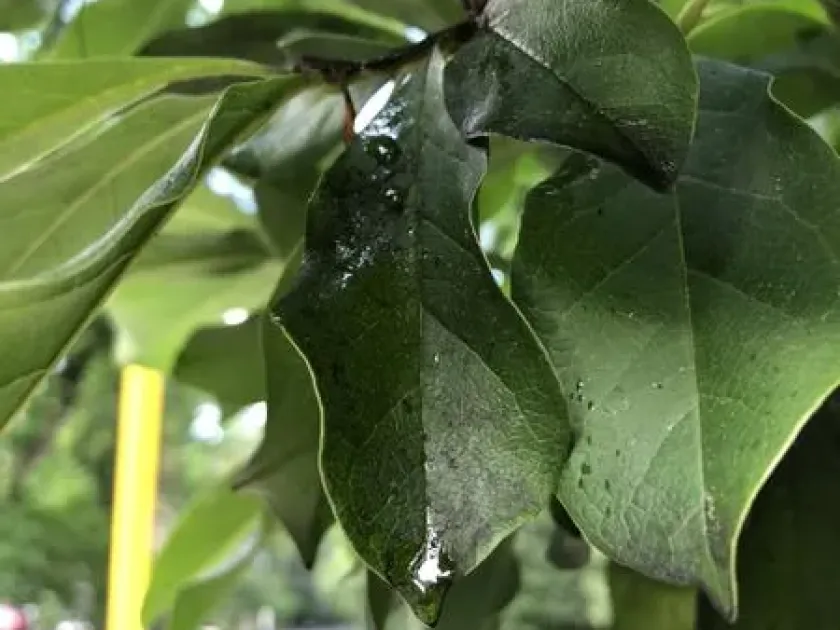
Description
Symptoms
The most distinctive symptom is the presence of a dry, black or dark brown velvety layer covering leaves, stems, and fruits.
This layer looks like fine soot or carbon powder and can often be rubbed off with a finger in the early stages of the infection.
As the mold thickens, it can form a crust that becomes difficult to remove and eventually affects the plant's aesthetic appearance.
Leaves covered by sooty mold often show signs of yellowing or wilting due to the lack of light penetration.
The presence of honeydew-producing insects is always associated with the appearance of the mold, acting as a clear indicator of the infestation.
Pathogen
Sooty mold (lat. Capnodium citri) is a complex of fungal species that appear as a dark, soot-like growth on the surface of plant parts.
It is not a primary plant pathogen, but rather an epiphyte that colonizes the sugary secretions known as honeydew.
These secretions are produced by sap-sucking insects, such as aphids, whiteflies, mealybugs, and scale insects.
The fungus feeds strictly on the honeydew surface; it does not infect the plant's internal tissues, but it covers the foliage like a shroud.
A wide variety of plants are susceptible to this fungus, including many fruit-bearing trees like Indian mango and citrus varieties.
Conditions for development
The development of sooty mold is directly dependent on the presence of high populations of honeydew-excreting insects.
Warm and humid environments significantly accelerate the growth of the mold once the honeydew is available on the plant surface.
Poor air circulation within the canopy and a lack of proper light exposure create ideal conditions for the fungus to establish itself.
Densely planted orchards or neglected greenhouse environments often suffer more from this problem due to stagnant air.
Frequent rainfall or high humidity levels contribute to the spreading of spores throughout the affected plantation.
Why it matters
The primary damage caused by sooty mold is the obstruction of photosynthesis by blocking sunlight from reaching the leaf surface.
Reduced photosynthetic capacity leads to stunted growth, loss of vigor, and decreased fruit quality in crops like mango.
Heavy infestations can lead to premature leaf drop, which further exhausts the plant's energy reserves during the growing season.
The mold can clog leaf stomata, interfering with the plant's ability to exchange gases and maintain healthy metabolic processes.
Marketability of the fruit is severely impacted, as the black film is unsightly and often requires intensive washing before the produce can be sold.
Protection
The most effective strategy is the management and eradication of the underlying insect pests through targeted insecticide applications.
Regular pruning and maintenance of the plant canopy help improve air circulation and sunlight penetration, inhibiting mold growth.
Washing the foliage with insecticidal soaps or mild detergent solutions can help remove the honeydew and the mold layer itself.
Integrated pest management (IPM) practices, such as introducing natural predators of aphids and whiteflies, provide long-term prevention.
Frequent monitoring of plants is essential to catch the initial stages of insect colonization before the sooty mold develops on the surfaces.
Pathogens and affected parts
Affects crops · 1
Discussion
No discussions yet — be the first.