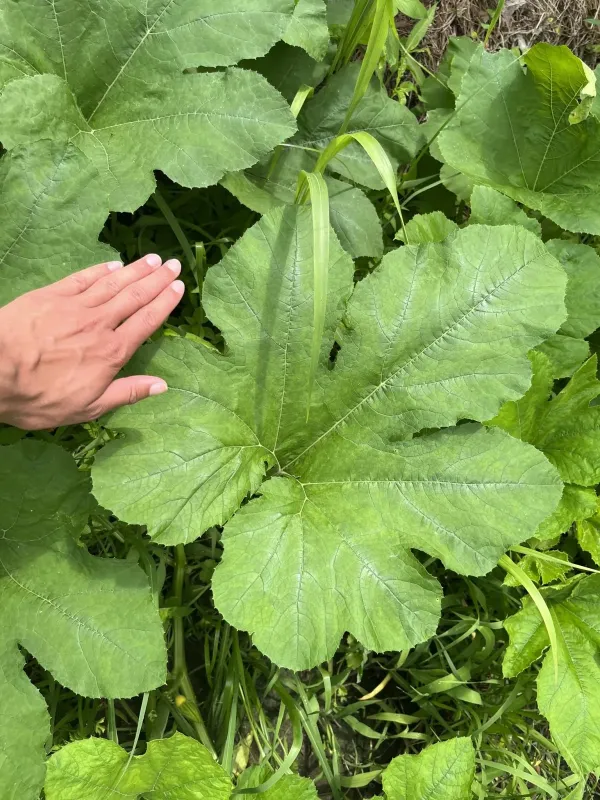
Description
Sowing dates
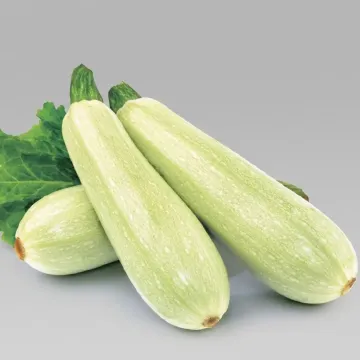
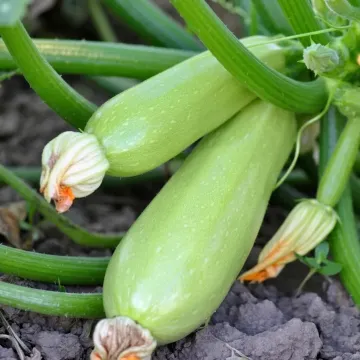
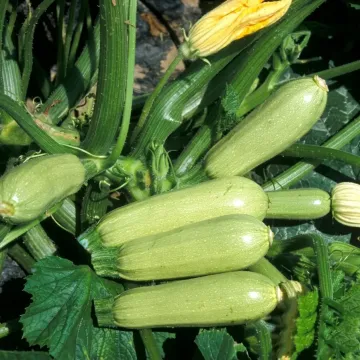
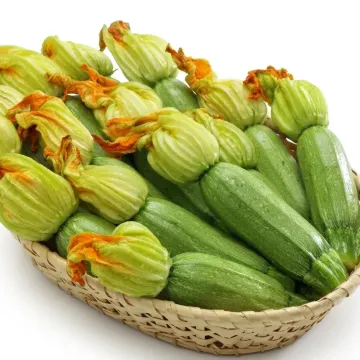
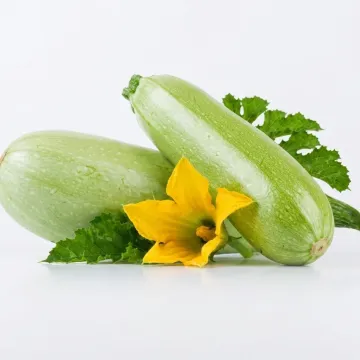
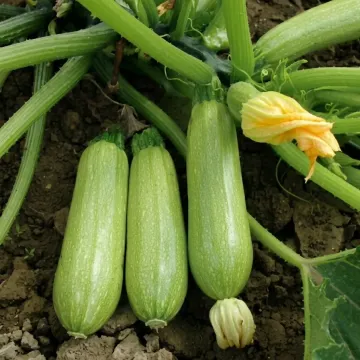
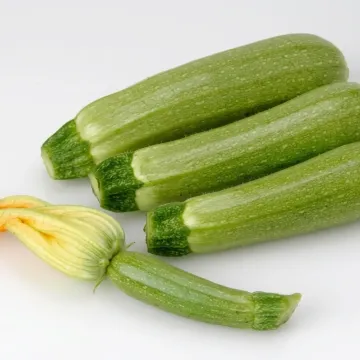
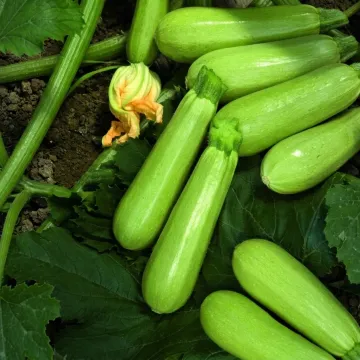
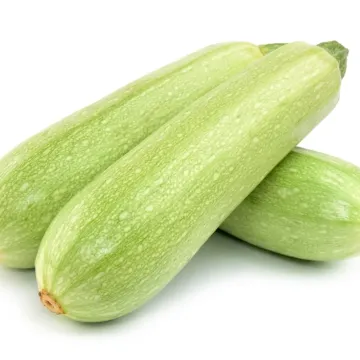
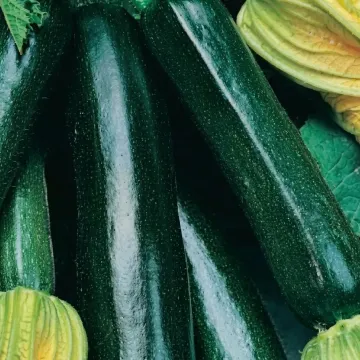
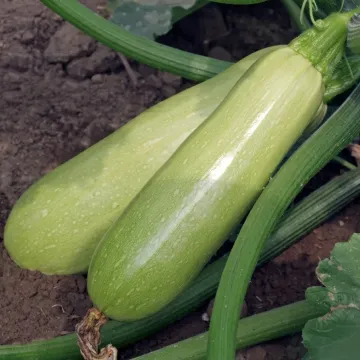
Zucchini (Cucurbita pepo L.) is a summer squash species of herbaceous plant that belongs to the Cucurbitaceae family. It is a highly popular vegetable crop grown globally for its rapid growth and abundant yields.
Direct seeding is recommended once the soil temperature consistently reaches 15 degrees Celsius. In many climates, this corresponds to late spring after all frost risks have passed.
For gardeners looking for an early start, sowing seeds indoors in pots 3-4 weeks before the last frost is a standard practice. It is essential to ensure seedlings receive full sunlight to prevent them from becoming leggy.
Spacing is vital for healthy plants, with a distance of 80-100 centimeters between plants to allow for airflow. Good ventilation is a major factor in preventing foliar diseases during the warm season.
Zucchini seeds are relatively large and germinate vigorously in warm soil. Ensuring good seed-to-soil contact and consistent moisture will lead to emergence within a week.
Growing requirements
Zucchini thrives in full sun, requiring at least 6-8 hours of direct light daily. The soil should be well-drained, rich in organic matter, and have a pH level between 6.0 and 7.0 for optimal nutrient availability.
As a crop with large leaves, zucchini has high water demands. Regular, deep irrigation is necessary to support rapid vegetative growth and fruit expansion during the peak of summer.
The optimal temperature range for growth is between 20 and 27 degrees Celsius. Growth slows significantly if temperatures drop below 15 degrees or rise above 35 degrees for extended periods.
Fertilization with balanced nutrients is recommended during the planting stage and again as the plant begins to fruit heavily. Potassium-rich fertilizers help improve fruit quality and disease resistance.
Crop rotation is essential to prevent the buildup of soil-borne pathogens. Avoid planting zucchini in the same space as other cucurbits like melons or cucumbers for at least three seasons.
Yield
Zucchini is known for its high productivity. A single, well-cared-for plant can produce several kilograms of fruit over a season, provided it is harvested regularly while the fruit is young.
Yield is maximized by encouraging continuous fruit set. Leaving large, mature fruit on the plant signals it to slow down production, so frequent harvesting is key to success.
The use of hybrid varieties can improve resistance to common diseases and provide more uniform fruit production, which is beneficial for both commercial growers and home gardeners.
Economically, zucchini is a staple vegetable used in various culinary applications, including roasting, sautéing, baking, and even as a substitute for noodles in healthy cooking.
Nutritionally, it is an excellent source of vitamin C, potassium, and dietary fiber, contributing to a balanced diet and overall wellness.
Main diseases and pests
Powdery mildew is the most common disease, appearing as white dust on leaves. It is often exacerbated by high humidity and poor airflow, necessitating preventive spacing and early treatment.
Pests like squash bugs and aphids can cause significant damage. Aphids may also act as vectors for viruses, which can cause stunted growth and mosaic-like patterns on leaves.
Spider mites are another threat, particularly in hot, dry weather. They feed on the underside of leaves, causing yellowing and eventual leaf drop, which weakens the plant.
Integrated pest management, including regular inspection and the use of beneficial insects, is the most effective approach to keeping these populations under control without heavy pesticide use.
Removing severely infected or damaged leaves promptly can help maintain the health of the remaining plant and prevent the spread of diseases within the garden.
Harvesting
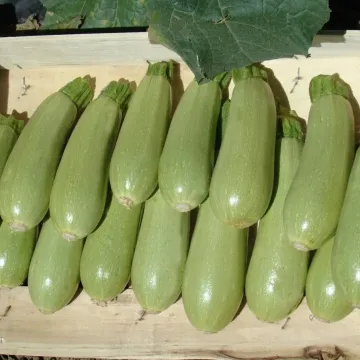
Harvesting usually begins 45-55 days after planting. The ideal harvest size is when fruits are 15-20 centimeters long, as the skin and seeds are still tender and flavorful at this stage.
Use a sharp knife or shears to cut the fruit from the stem, leaving about an inch of the stalk attached. This prevents mechanical damage to the plant and helps the zucchini keep longer.
If you prefer to store zucchini for longer periods, allow some fruits to fully mature until the skin is hard and leathery. These can be stored in a cool, dry place for several weeks.
Daily or every-other-day harvesting is recommended during the height of the season, as fruits can double in size in just 24 hours under optimal conditions.
Always wash and dry zucchini before storing it in the refrigerator to prevent rot and maintain the crisp texture of the flesh for as long as possible.
Content graph
Connections · Zucchini
Most often together:
Marketplace
Products · 54
All 54
Zucchini 54
Herbicides, Desiccants 10
Plant Growth Regulator 4
Fertilizers 1
Biological Products 1
Iskander F1 / Eskanderany F1
Seminis Vegetable Seeds
Zucchini
4
17
·
5.5K
39 offers
44.96 €за 1000 семян
Buy