
Giant pumpkin
Cucurbita maxima Duchesne
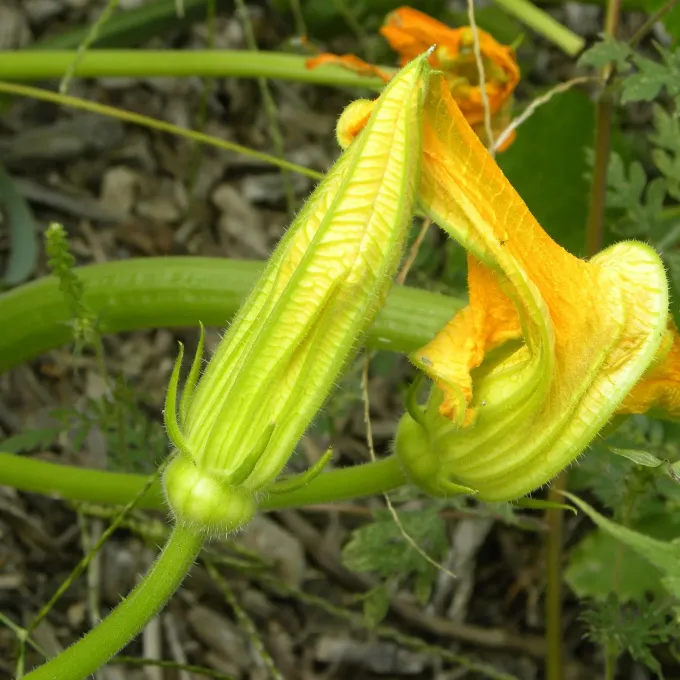
Description
Sowing dates
Giant pumpkin cultivation begins with careful soil preparation once the frost danger has passed and the soil temperature reaches at least 12-14°C. Direct sowing is common in warmer regions.
In cooler climates, growers often start seedlings indoors 3-4 weeks before the last frost. This technique ensures a head start for the plant and protects it during the vulnerable early developmental stages.
Space management is crucial; as a sprawling vine crop, each plant needs significant area to spread its foliage. A distance of at least 1.5 to 2 meters between plants is recommended for optimal growth.
Seed depth should be approximately 5 cm in rich, organic-amended soil. Proper spacing and depth facilitate a strong, healthy start for the massive vine systems that develop later.
Strategic planting times are vital for fruit maturation, as the long growing season required for maximum size needs to be accommodated within the frost-free window of the local climate.
Growing requirements
Giant pumpkins are sun-loving plants that require full exposure to direct sunlight. A minimum of 6 to 8 hours of sunshine per day is necessary for the plant to sustain its rapid growth.
The soil must be deep, well-draining, and exceptionally rich in nutrients. Incorporating well-rotted manure or compost into the planting site is standard practice for professional growers.
Warm temperatures are essential for this species. Sustained daytime temperatures between 20°C and 25°C are ideal; extreme heat or prolonged cold can severely hinder plant physiological processes.
Consistent irrigation is required, particularly during the flowering and fruit-setting stages. The soil should remain moist but never waterlogged to ensure healthy root respiration.
Wind protection is another critical requirement for the giant pumpkin. Strong winds can damage the delicate vines and large leaves, thereby reducing the plant's overall energy production capacity.
Yield
The yield of Cucurbita maxima is highly variable and depends heavily on specific genetics and the level of management. Intensive horticultural practices can lead to massive individual fruits.
Professional growers focused on size often limit the plant to just one fruit per vine. By focusing all the plant's resources into a single pumpkin, they maximize the growth potential of that specimen.
Regular fertilization with balanced NPK ratios and micronutrients is vital for sustaining the high demand of these fast-growing fruits, often resulting in weights exceeding 50-100 kg.
Pollination is a key factor in yield consistency. In agricultural settings, manual cross-pollination is often employed to guarantee that fruit set occurs exactly when desired, optimizing the growth period.
Economic yields are not just measured in mass but in the quality of the flesh, which is prized for its texture and flavor in commercial processing for baby food and soup production.
Main diseases and pests
Powdery mildew is a major threat to pumpkin health, appearing as a white, dusty layer on leaves. It restricts photosynthesis and can cause premature plant senescence if left untreated.
Anthracnose, caused by fungi, can affect leaves and the pumpkin skin itself, particularly in high-humidity areas. This leads to sunken lesions and can ruin the fruit for long-term storage.
Root rot is often the result of poor drainage or over-irrigation. It leads to wilting and decay of the plant stem, which is often fatal if not identified early in the vegetative cycle.
Pests like the squash vine borer and aphids can cause significant damage. Aphids sap energy from the leaves, while vine borers cause physical structural failure of the main growing stem.
- Integrated Pest Management (IPM) is highly effective for pumpkin crops.
- Crop rotation is essential to prevent soil-borne pathogen buildup.
- Monitoring: frequent inspection of the leaf underside is key for early detection.
Harvesting
Harvesting is typically performed in late summer or early autumn. Indicators include the drying of the vine stem and the fruit reaching the desired size and mature skin color.
It is critical to harvest before the first hard frost. Even slight freezing can damage the fruit tissue, making it susceptible to rapid rotting and reducing its shelf life significantly.
Using a sharp tool, the fruit should be severed from the vine, leaving a portion of the stem attached. A clean, intact stem acts as a barrier against bacteria and fungi entering the fruit.
Curing the pumpkins in a warm, dry environment for a week or two after harvest helps to harden the rind. This process significantly improves the durability of the fruit for storage.
Proper storage involves keeping the cured pumpkins in a cool, dark, and well-ventilated area. When handled correctly, these large pumpkins can remain stable for many months through the winter.