
Giant pumpkin
Cucurbita maxima Duchesne x Cucurbita moschata Duchesne
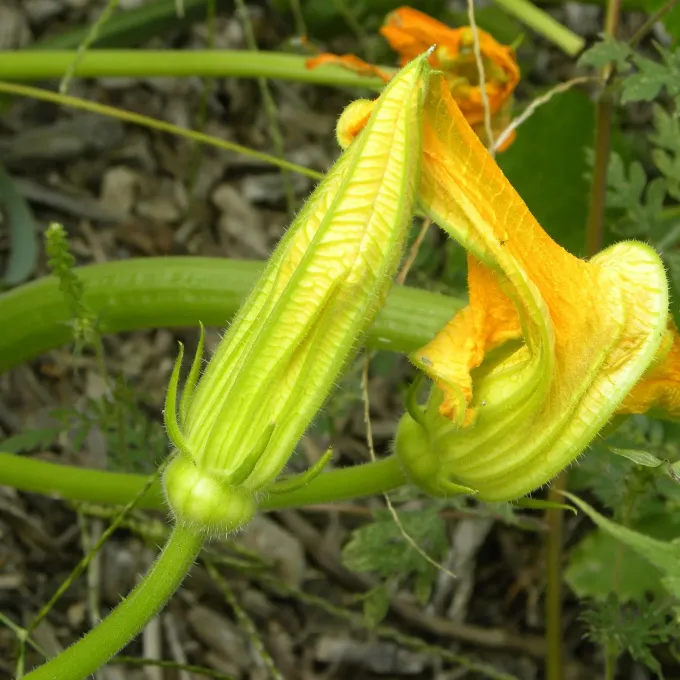
Description
Sowing dates
Sowing of giant pumpkin (Cucurbita maxima) should only occur once the soil at a depth of 10 cm reaches a consistent temperature of 12–14°C. The ideal planting window is late spring or early summer.
In cooler regions, gardeners often use the seedling method, planting seeds in containers 20–25 days before the final transplant. This ensures the plant has enough time to develop before autumn frost hits.
The spacing depends heavily on the specific variety. Trailing vine varieties require 1.5–2 meters between plants, whereas bush varieties can be spaced closer at approximately 1 meter apart.
Seeds are sown at a depth of 5–8 cm. Placing 2–3 seeds per hole is common, followed by thinning to ensure only the strongest plant remains per site.
Precise timing is critical because the crop is highly sensitive to cold; growth ceases immediately if temperatures drop below 10°C, and young plants are killed by any frost.
Growing requirements
The giant pumpkin, scientifically known as Cucurbita maxima, is a member of the Cucurbitaceae family. It originates from South America, which dictates its high demand for heat and solar exposure.
The crop thrives in fertile, well-draining loamy soils with a neutral pH. Proper soil aeration is vital to prevent root decay caused by waterlogging, which is a major risk for this species.
The best crop rotations include legumes, onions, or cabbage. It is strongly advised not to plant pumpkins where other cucurbits, like cucumbers or melons, were grown the previous season.
Consistent moisture is required throughout the flowering and fruit-setting stages. However, avoid excessive nitrogen fertilization, as this encourages lush foliage at the expense of fruit production.
Choose an open, sun-drenched location. Even partial shade can lead to lower sugar content in the flesh and significantly slower fruit maturation rates.
Yield
The potential yield of a giant pumpkin field depends on the variety and agronomic management. With intensive agricultural techniques, yields can reach 40–60 metric tons per hectare.
Controlling the vine growth is essential for high yields. Pruning side shoots allows the plant to concentrate its resources on a single or dual primary fruit.
For those aiming for record-breaking sizes, limiting the plant to one or two fruits per vine is standard practice. This ensures the fruit reaches its maximum possible genetic weight.
Potassium-rich fertilizers during the fruit-ripening stage are beneficial for improving both flavor quality and post-harvest shelf life. Organic matter should ideally be incorporated during autumn tillage.
- Consistent irrigation;
- Regular soil cultivation;
- Mulching to retain moisture;
- Early-stage weed control.
Main diseases and pests
Common diseases affecting this crop include powdery mildew, downy mildew, and anthracnose. These thrive in humid conditions and can spread rapidly during temperature fluctuations.
Bacterial wilt can affect the entire plant, leading to lesions on stems and rotting fruit. Prevention relies on sound crop rotation and using high-quality, treated seeds.
Pests like spider mites and aphids are major threats. They feed on plant sap, leading to leaf deformation and overall plant weakness that hinders the growth of the pumpkins.
Management involves insecticide and fungicide applications. It is crucial to stop these treatments several weeks before harvest to ensure food safety and consumer health.
Routine inspection of the leaf undersides is recommended to catch pest colonies early, preventing widespread infestation across the field.
Harvesting
Harvesting should be done during dry weather, well before the first killing frost. A mature fruit is indicated by a dried, corky stem and hardened rind.
When harvesting, the fruit should be cut with a 5–10 cm piece of the stem attached. This prevents pathogens from entering the fruit through the wound.
After picking, allow the pumpkins to cure in a warm, ventilated area for 7–10 days. This process hardens the skin and improves their storage longevity significantly.
Store only sound, undamaged fruits. Ideal storage conditions include a cool environment between 10–15°C with roughly 70% humidity for optimal shelf life.
Giant pumpkins have versatile uses, including processed food products like purees, juices, and baby food, as well as being a high-energy fodder for livestock.