
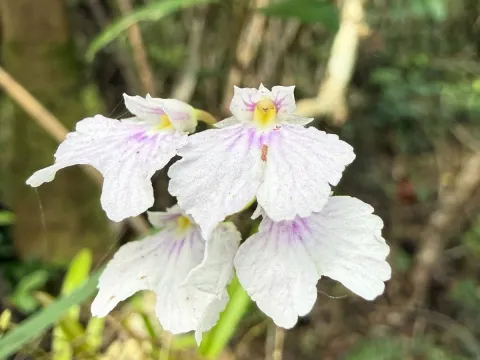
Ionopsis
Ionopsis
Ionopsis is a genus of delicate epiphytic orchids belonging to the Orchidaceae family. Native to the tropical regions of Central and South America, these plants thrive in high-humidity environments, typically attached to tree branches in their natural habitat.
What the section contains


Ionopsis
Cultivating Ionopsis successfully requires meticulous attention to environmental parameters. The humidity levels should remain between 60% and 80%, accompanied by consistent air circulation to prevent the stagnation of moisture and subsequent tissue decay.
Light intensity is critical for the healthy development of Ionopsis. These orchids prefer bright but filtered light; direct sun exposure can scorch their foliage, while insufficient light leads to stunted growth and lack of flowering.
The temperature range should remain moderately warm, generally between +20°C and +25°C during the day. A slight cooling effect at night helps to mimic the natural diurnal temperature fluctuations that the plant requires for metabolic balance.
Due to their epiphytic nature, Ionopsis plants require a very airy and fast-draining substrate. Using mounting materials such as cork bark or tree fern fibers is highly recommended to ensure the roots have constant access to oxygen and do not remain waterlogged.
The most common threat to Ionopsis is root rot, which typically develops due to overwatering or poor drainage. Excess moisture trapped near the root base promotes the growth of pathogens that quickly degrade the plant's structural integrity.
Spider mites are a persistent threat, especially in environments where humidity is not strictly maintained. These pests inhabit the underside of the leaves, causing chlorosis and weakening the overall plant vigor.
Scale insects and mealybugs can also infest Ionopsis, hiding in the junctions of leaves and pseudobulbs. Early detection is vital for control, as these pests multiply rapidly and can cause significant damage to the floral spikes.
To minimize disease risk, it is essential to maintain proper hygiene in the growing space. Avoid overhead watering to ensure that water does not collect in the leaf axils, which is a frequent site for bacterial infection initiation.
When chemical treatment is necessary, use systemic fungicides or horticultural oils specifically formulated for delicate orchids, and ensure that the plants are kept away from direct heat sources during the recovery period.