
Faurea
Faurea
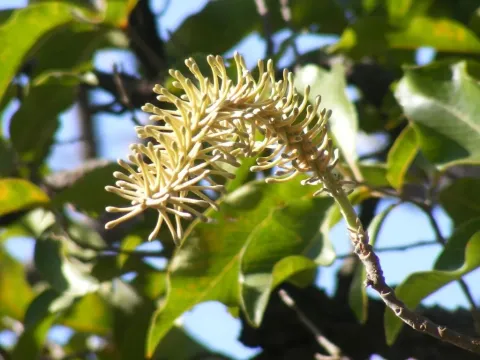
Faurea is a genus of evergreen trees and shrubs belonging to the Proteaceae family. These plants are native to the tropical and subtropical regions of Africa and Madagascar, where they often grow in savannahs or forest fringes.
What the section contains

Faurea
The culture thrives in well-drained soils, preferably with acidic to neutral pH levels. It is remarkably capable of growing in nutrient-poor soils, which is a key botanical advantage in its natural environment.
Faurea requires a high amount of solar exposure to maintain vigorous growth. While mature specimens can tolerate periods of drought, consistent watering during the growing season is essential for optimal development of the canopy.
The climatic conditions should be mild, as the species is generally frost-sensitive. Protecting the plants from extreme low temperatures is mandatory for their survival in non-native regions.
Economically, Faurea is valued both for its aesthetic properties in landscaping and for its high-quality timber. The wood is known for its strength, durability, and insect resistance, making it suitable for furniture and construction.
The primary threats to Faurea health are fungal pathogens, specifically root rot, which is triggered by waterlogged conditions. Maintaining an effective drainage system is crucial for plant health.
Common pests include scale insects and mealybugs, which tend to infest the foliage. Regular monitoring and, if necessary, the application of horticultural oils or insecticides are recommended to control these outbreaks.
Poor air circulation within the plant canopy can lead to increased humidity, which facilitates fungal growth. Proper pruning and spacing are essential practices to ensure healthy growth conditions.
Nutritional imbalances, such as chlorosis resulting from incorrect soil pH, can significantly weaken the trees. Maintaining the correct soil chemical profile is vital for the plant's immune system.
Environmental stress, including wildfires in native habitats, poses a risk to these trees. Implementing preventative measures and maintaining healthy plantation edges can mitigate the impact of external threats.