
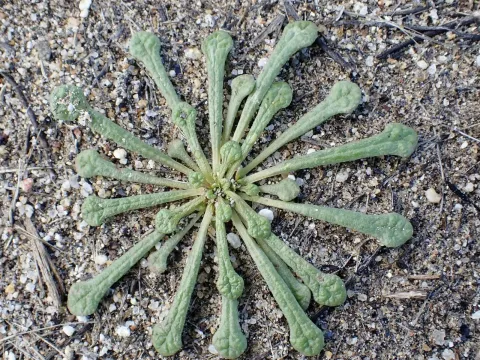
Calyptridium
Calyptridium
Calyptridium is a genus of herbaceous plants belonging to the Montiaceae family, typically characterized by an annual growth cycle in wild populations.
What the section contains

Calyptridium
Cultivation of these species requires a thorough understanding of their natural life cycle, which usually involves a period of winter dormancy for the seeds.
Sowing should take place in early spring, utilizing well-drained, porous media that mimics the gravelly and rocky substrates of their native Western North American range.
Seeds are tiny and light-sensitive, necessitating surface sowing or only a very light covering with sand to facilitate effective germination processes.
Successful establishment depends on maintaining consistent, cool temperatures during the initial growth phases, avoiding the heat spikes that trigger early maturity.
The primary environmental requirement for Calyptridium is high-intensity sunlight combined with a low-nutrient, fast-draining soil profile.
These plants are naturally adapted to arid and semi-arid conditions, meaning they thrive in soils with minimal water retention capacity to prevent root rot.
Temperature control is essential; the species generally prefer cool, dry springs rather than humid, oppressive heat which can stress the plants significantly.
Proper spacing is crucial in any cultivation setup to ensure adequate airflow, which is a major factor in preventing humidity-related damage to the foliage.
Watering must be carried out sparingly, mimicking natural rainfall patterns where moisture is quickly depleted through evaporation and subsoil drainage.
Fungal pathogens represent the most significant threat to this genus, particularly those that thrive in conditions where soil moisture remains high for too long.
Root rot is the most common cause of plant failure, often exacerbated by the use of inappropriate potting mixes that lack sufficient aggregate or drainage.
Pests such as aphids may congregate on the succulent leaves and flower stalks during the vegetative growth phase, weakening the plant's structural integrity.
Spider mites can also be problematic if the ambient air becomes too hot and dry, leading to a rapid decline in the plant's overall health and photosynthetic capacity.
Management strategies should focus on preventive measures, including rigorous monitoring of irrigation levels and ensuring the growing area has excellent ventilation.