
Claytonia virginica
Claytonia virginica
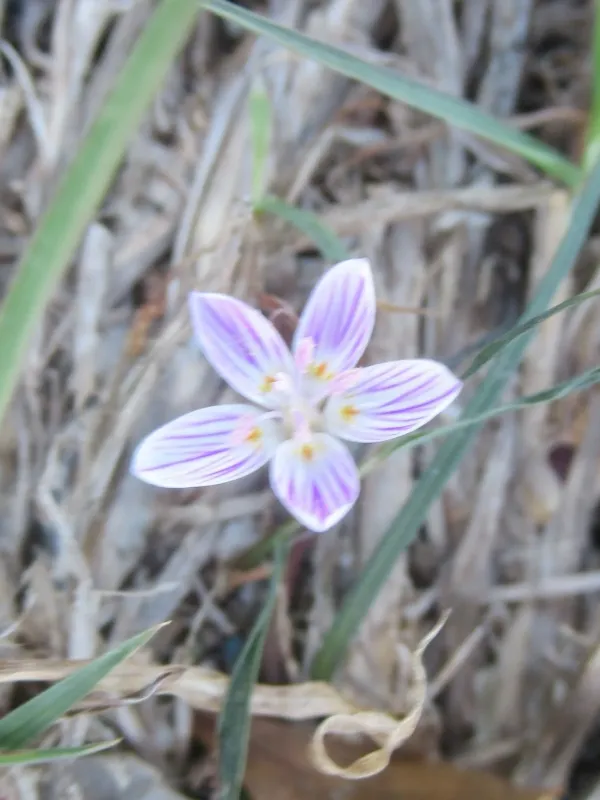
Description
Sowing dates
Claytonia virginica, also known as spring beauty, is an ephemeral perennial herb belonging to the Montiaceae family. For cultivation purposes, the seeds require a period of cold stratification, making fall sowing in the garden bed the most effective method for successful germination in early spring.
If starting seeds in containers or greenhouses, ensure the temperature is kept relatively low, ideally between 10 and 15 degrees Celsius. The seeds are very small and should be sown shallowly, covered by a fine layer of substrate of no more than 0.5 to 1 centimeter, as light facilitates germination.
Thinning is essential once the seedlings have reached a height of 2-3 centimeters. A spacing of 10 to 15 centimeters between plants is recommended to allow for adequate rosette development and airflow, which helps in preventing fungal issues.
The plant grows rapidly during the cool, moist spring months. Since it is a true ephemeral, the timing of sowing is critical; delaying planting until the weather turns warm will significantly reduce the success rate of germination and the duration of the harvest window.
Using cold frames or row covers can help protect young plants from sudden frosts and extend the harvest period. This approach allows gardeners to enjoy the crisp leaves weeks before many other spring vegetables are ready.
Growing requirements
This crop thrives in humus-rich, loose, and well-drained soils. A soil pH ranging from slightly acidic to neutral is ideal. Waterlogging must be avoided at all costs, as the plant's small, tuberous roots are prone to rotting in excessively damp conditions.
Claytonia virginica is highly shade-tolerant, making it an excellent candidate for forest gardening or under-story cultivation in partial shade. Excessive direct sunlight during the warmer days of late spring will cause the plant to bolt prematurely, ending the production of quality leaves.
The plant demands a constant, moderate level of soil moisture throughout its active growing season. While it prefers moist soil, it does not tolerate stagnant water. Irrigation should be managed carefully, especially in years when spring rainfall is insufficient.
The plant does not require high levels of supplemental fertilizer. Incorporating organic matter such as mature compost or leaf mold into the soil before planting is usually sufficient to support its short growing cycle and ensure vigorous leaf production.
Cool temperatures are vital for this crop. It performs best when temperatures remain below 15-18 degrees Celsius. Once the soil begins to heat up, the plant naturally enters a state of dormancy, regardless of the water supply or fertilizer levels provided.
Yield
The yield of Claytonia virginica is determined by the environmental conditions during its short growing phase. Under optimal conditions, a harvest of 1 to 1.5 kilograms of fresh greens per square meter can be achieved through selective leaf harvesting.
Selective harvesting is the most efficient management strategy for this crop. By removing only the outer, mature leaves and leaving the central rosette intact, gardeners can encourage the plant to continue producing foliage for a longer period of time.
Because the plant is an ephemeral, the overall seasonal yield is concentrated in a short window of 4 to 6 weeks. After this period, the plant enters its reproductive stage, producing flowers and eventually setting seed, after which the above-ground parts wither.
Self-seeding can contribute to the long-term sustainability of the planting. If the goal is to maintain the patch, allowing some of the strongest plants to bloom and disperse seeds is a cost-effective way to ensure a crop for the following year.
Nutritionally, the greens are highly valued for their high vitamin C and mineral content. Their mild, spinach-like flavor makes them a popular choice for gourmet salads, sandwiches, and as a raw culinary ingredient in fresh dishes.
Main diseases and pests
Slugs and snails are the primary pests that pose a threat to Claytonia virginica. Since the plant is active during the cool, wet spring, these mollusks can easily cause significant damage to the delicate foliage. Mechanical removal and traps are the most effective control measures.
Fungal leaf spot diseases may appear if the plants are overcrowded or if the garden area has poor air circulation. Proper spacing during the thinning phase is the best preventative strategy to reduce humidity around the leaf base.
Root rot is the most common physiological disorder, usually caused by improper soil selection or over-irrigation. Ensuring the soil is light and porous before sowing the seeds is essential for avoiding this problem throughout the growing season.
While generally resistant to many insects, the crop may occasionally face minor infestations of aphids if the plants are stressed by drought or extreme heat. Maintaining steady growth through proper irrigation is the best defense against such outbreaks.
Avoiding a monoculture and rotating the planting site every few years helps to prevent the buildup of soil-borne pathogens. This simple practice ensures the long-term health of the crop and prevents the degradation of soil quality.
Harvesting
Harvesting should be conducted early in the morning when the leaves are most turgid. Using clean, sharp scissors to snip the leaves near the base helps minimize damage to the root system and promotes a quicker recovery.
Post-harvest handling is critical because the leaves are very delicate and wilt quickly once removed from the plant. They should be kept in a cool, humid environment and ideally consumed or sold within 24 hours of harvest.
If seeds are required for future seasons, they should be collected as the seed pods begin to turn brown but before they split and disperse. This requires close monitoring as the plants mature rapidly at the end of the season.
After the final harvest, the plants are left to complete their biological cycle, effectively serving as a natural mulch for the garden bed. The spent foliage can be incorporated into the compost pile if it is free from disease symptoms.
For commercial presentation, the leaves should be bunched loosely to prevent crushing. Cold chain logistics, even on a small scale using insulated containers with ice packs, are highly recommended to maintain the quality of this perishable green.