
Blinks
Montia fontana
Description
Sowing dates
Blinks (Montia fontana) is a crop that thrives in consistently moist environments. Sowing should be timed for early spring as soon as the soil is workable and temperatures rise above 5–8 degrees Celsius. This ensures early establishment before the onset of summer heat.
In regions with mild winters, late autumn sowing is an effective method. This allows seeds to undergo natural stratification, resulting in uniform and vigorous germination as soon as the spring thaw begins.
For greenhouse production, sowing can be conducted in succession every two to three weeks. This provides a consistent supply of fresh greens throughout the year, which is essential for maintaining market availability.
The seeds of Montia fontana are extremely fine, requiring careful handling during the sowing process. They should be broadcast or sown in rows and covered with only a very thin layer of fine soil or sand to ensure light reaches the seeds.
A row spacing of 15 to 20 centimeters is recommended to allow for adequate airflow between plants. Proper spacing helps prevent the buildup of humidity at the base of the stems, which can lead to damping-off issues in young seedlings.
Growing requirements
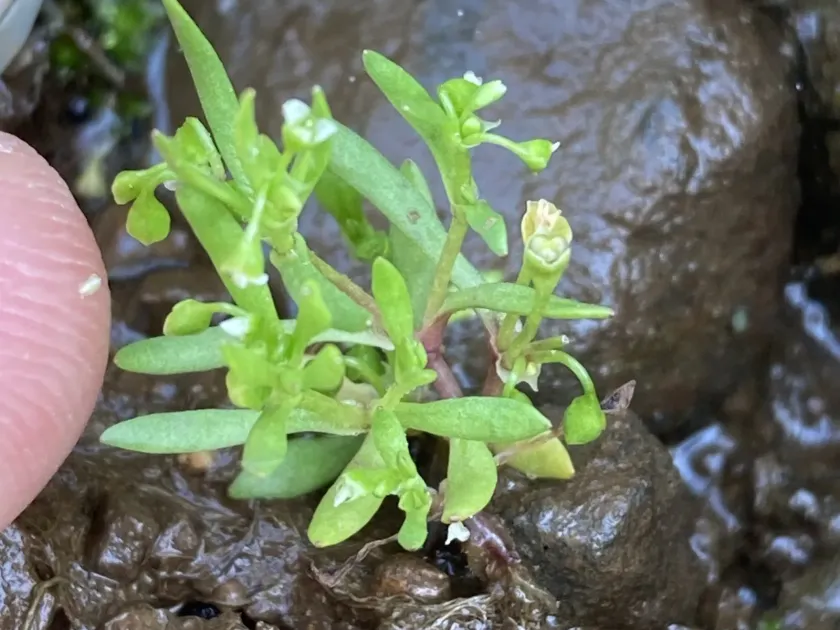
Montia fontana, commonly known as blinks, is a member of the Montiaceae family. It is a succulent-like annual herb that naturally occurs in habitats with high moisture content, such as stream banks, springs, and muddy areas.
The primary environmental requirement for successful cultivation is a steady supply of moisture. The soil should remain damp at all times, making this plant an ideal candidate for low-lying areas or sites with heavy, moisture-retentive soils.
While tolerant of various soil types, blinks prefers fertile, organic-rich soil with a neutral to slightly acidic pH. Incorporating well-rotted compost before planting significantly boosts plant development and foliage production.
Temperature management is crucial as the plant prefers cool, temperate conditions. Optimal growth occurs between 12 and 18 degrees Celsius. Excessive heat can trigger bolting, where the plant shifts its energy from leaf production to flowering, reducing quality.
While blinks can tolerate some shade, it performs best in full sunlight provided that the soil moisture is maintained. In hot conditions, partial shading and frequent overhead misting are necessary to prevent heat stress and wilting.
Yield
The yield of blinks is highly dependent on water availability and soil nutrient status. With sufficient moisture and fertile conditions, the plant can produce a high biomass, forming lush, succulent rosettes of leaves within 6 to 8 weeks.
By employing a cut-and-come-again harvesting method, growers can achieve multiple harvests from the same planting. This technique encourages the development of new lateral shoots, maximizing the total marketable yield per square meter.
Under intensive management, a yield of approximately 1.5 to 2 kilograms of fresh greens per square meter can be expected. Proper population density is vital to achieving these yields without compromising the plant's health.
The nutritional value and texture are at their peak before the plant initiates flowering. Monitoring for early signs of bolting is essential to ensure that the harvested product meets quality standards for consumers.
Strategic scheduling of harvests allows for a continuous supply. For commercial growers, organizing planting cycles based on expected yield times is the most effective way to ensure high-quality, tender foliage for the market.
Main diseases and pests
The most common threats to Montia fontana are fungal diseases, particularly gray mold and downy mildew, which thrive in stagnant, humid air. These conditions are often exacerbated by overcrowding of the planting beds.
Management strategies include maintaining proper plant spacing and ensuring good ventilation. If cultivation occurs in enclosed structures, fans or side vents should be used to circulate air and reduce excess humidity levels.
Slugs and snails are major pests that feed on the succulent leaves. Implementing physical barriers, such as copper tape or sand rings around the beds, can help deter these pests without relying heavily on chemical pesticides.
In some environments, aphids might become an issue, particularly in greenhouses. Regular monitoring and the introduction of biological control agents are preferred methods to manage these populations effectively.
- Practice crop rotation to minimize soil-borne pathogens.
- Ensure soil drainage is adequate to prevent waterlogging, which weakens plants.
- Promptly remove and dispose of any symptomatic plants to prevent spread.
Harvesting
Harvesting blinks is best performed by cutting the stems about 2 to 3 centimeters above the soil surface. This technique preserves the plant's base, allowing it to regenerate new, succulent foliage for subsequent harvests.
The best time for harvesting is during the early morning hours. During this period, the plant tissue is fully hydrated, ensuring that the greens have the crispest texture and the best shelf life possible after cutting.
Post-harvest care is critical due to the plant's high water content. The greens should be cooled immediately to near-freezing temperatures to reduce metabolic activity and prevent rapid wilting.
Packaging should allow for slight air circulation while maintaining high humidity to keep the leaves turgid. Storing in perforated plastic bags within a cold room at 1–3 degrees Celsius can extend shelf life significantly.
Market presentation should focus on the freshness of the product. By focusing on rapid cooling and gentle handling, producers can maintain the high quality that consumers expect from fresh greens like blinks.