
Lewisia
Lewisia
Description
Sowing dates
Lewisia seeds require a period of cold stratification to break dormancy and ensure uniform germination. Sowing is typically done in late winter or early spring using well-draining, sterile seed-starting mix in trays.
Maintain an ambient temperature of 15 to 18 degrees Celsius during the germination phase. It is crucial to keep the substrate lightly moist but never waterlogged to prevent damping-off diseases in young seedlings.
Once seedlings develop their first set of true leaves, they should be pricked out into individual pots. Providing adequate light is essential at this stage to ensure strong, compact growth rather than leggy stems.
Transplanting to the permanent garden site should occur after the danger of frost has passed. Early summer is generally the best window to establish young plants, allowing them to acclimate before the heat of mid-summer.
For vegetative propagation, offsets or daughter rosettes can be removed from mature plants after flowering. This method ensures that the new plants are genetically identical to the parent, which is preferred for specific cultivars.
Growing requirements
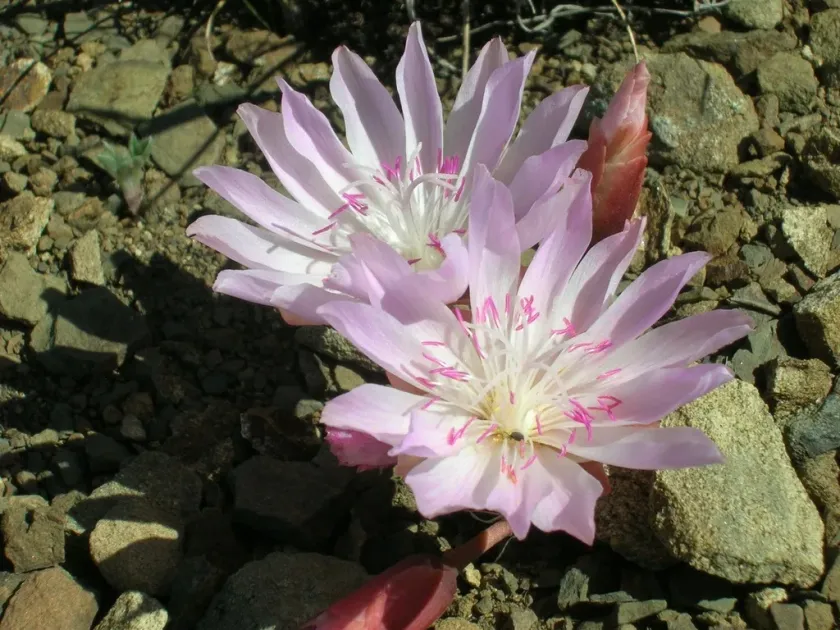
Lewisia is a genus of perennial plants in the Montiaceae family, native to western North America. They are prized for their succulent-like foliage and vibrant, star-shaped flowers that bloom in late spring and early summer.
The plants thrive in rocky, gritty soils that provide excellent drainage. In garden settings, they are best suited for rock gardens, stone walls, or containers where the crown of the plant can be kept elevated and dry.
Exposure requirements involve bright, indirect light or morning sun with afternoon shade. Intense heat combined with direct midday sun can be detrimental, leading to dehydration and leaf scorching.
Watering requires strict discipline; the soil must be allowed to dry out significantly between irrigation sessions. Water should be applied directly to the soil to keep the leaves and the center of the rosette perfectly dry.
Soil pH should ideally be neutral to slightly acidic. Adding gravel, crushed granite, or coarse sand to the potting mix is vital to simulate the rocky habitat where these plants naturally grow.
Main diseases and pests
Crown rot is the most significant threat to Lewisia, typically caused by excessive soil moisture and poor air circulation. Once the crown begins to decay, the plant is often difficult to save.
Aphids and mealybugs are common pests that may infest the flower buds and young foliage. These sap-sucking insects can severely weaken the plant and lead to stunted growth if left uncontrolled.
Slugs and snails can cause substantial damage to the thick leaves, particularly in humid or rainy weather. Protecting the plants with physical barriers or non-toxic baits is a common practice among collectors.
Regular maintenance includes removing withered flower stalks and cleaning out old, dead leaves from the base. This practice helps improve airflow and reduces the habitat for fungal spores and pests.
If fungal issues arise, the use of systemic fungicides may be necessary. However, focusing on preventive care—specifically drainage management—remains the most effective strategy for maintaining healthy Lewisia plants.