
Lewisia cantelovii
Lewisia cantelovii
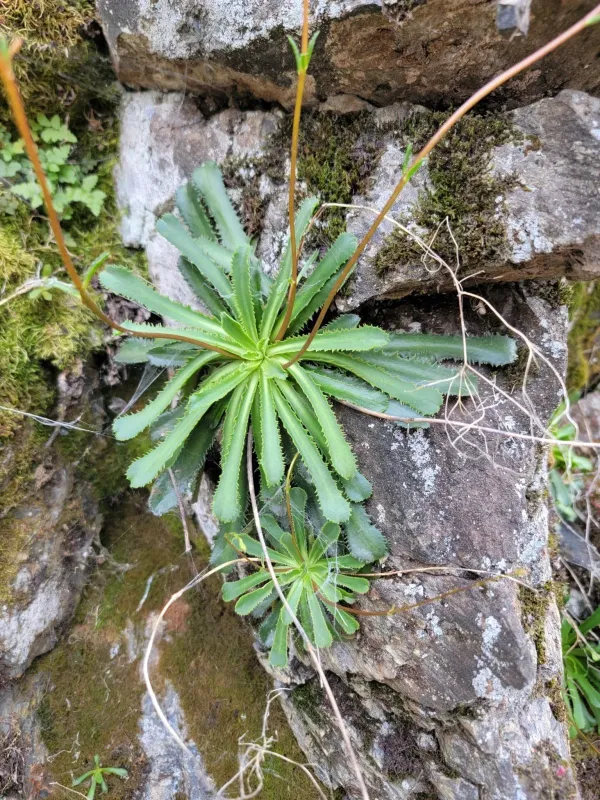
Description
Growing requirements
Lewisia cantelovii is a unique perennial succulent species belonging to the Montiaceae family. Native to the rocky cliffs and slopes of California, this plant is well-adapted to surviving in nutrient-poor environments with excellent drainage.
To cultivate this species successfully, one must replicate its natural habitat by using a highly porous, gritty substrate. Incorporating coarse sand, gravel, and minimal organic matter is essential to prevent moisture from pooling around the roots.
This plant thrives in cool, temperate conditions with partial shade or filtered light. Direct, harsh sunlight in hot climates can damage its fleshy foliage, so orienting the plants toward the east or in areas with consistent airflow is ideal.
Water management is the most critical aspect of Lewisia cantelovii maintenance. Irrigation should be performed carefully, aiming directly at the soil and ensuring that no water remains in the center of the leafy rosette, which is highly prone to rot.
Fertilization should be kept to a minimum, using dilute succulent-specific formulas during the active growing season. Over-fertilizing can lead to weak, succulent growth that is more susceptible to environmental stress and opportunistic pathogens.
Main diseases and pests
Root and crown rot are the primary threats to Lewisia cantelovii, typically induced by overly moist soil conditions or poor aeration. Maintaining a dry crown and excellent soil drainage is the most effective way to prevent these issues.
Pests such as aphids and spider mites can infest the plant, particularly if it is grown in environments with poor air circulation. Frequent monitoring and the use of insecticidal soap, if necessary, are recommended for control.
Slugs and snails find the succulent leaves highly appealing. Protecting the plants with gravel mulch or physical barriers is necessary to prevent significant damage during the early growing stages of the plant.
Excessive winter moisture is the most common cause of mortality in outdoor collections. Providing overhead protection or a sloped planting site helps shed snow and rain, keeping the plant crown as dry as possible during dormant months.
Cultural hygiene is vital; removing dead leaves from the base of the rosette prevents moisture accumulation and discourages fungal growth. Ensuring that the crown remains slightly elevated above the surrounding soil level further enhances overall plant health.