
Lewisia nevadensis
Lewisia nevadensis
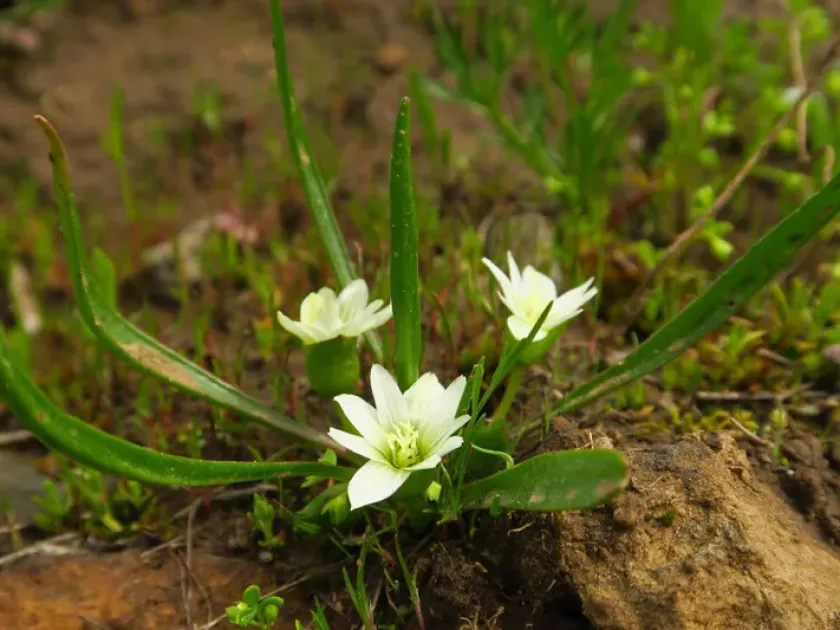
Description
Sowing dates
Lewisia nevadensis is a perennial herbaceous plant belonging to the Montiaceae family. Propagating this species from seed requires a period of cold stratification, as the seeds have natural inhibitors that need to be broken down by low temperatures before they can germinate.
For best results, seeds should be sown in a well-draining, sandy substrate during the late autumn or early spring. They should be scattered on the surface and pressed firmly into the mix without being buried, as light is essential for the germination process.
Once sown, the containers should be kept in a cool, bright environment. It is crucial to maintain consistent, light moisture levels, as allowing the soil to dry out completely can stop the germination process, while excessive wetness will cause the seeds to rot.
Seedlings develop slowly, so patience is required. Once they reach the stage of having at least two pairs of true leaves, they can be carefully pricked out into small, individual pots using a very gritty, mineral-rich soil mix.
Young plants should be transplanted to their permanent location only after the threat of frost has passed. Early spring is the preferred time to establish them, allowing the root system to settle before the heat of summer arrives.
Growing requirements
Lewisia nevadensis requires a specialized environment that mimics its native North American mountain habitat. The absolute priority for successful cultivation is impeccable drainage, as the plant is highly susceptible to root rot if sitting in stagnant water.
The ideal soil is a rocky, sandy mix with very low organic content. These plants perform best when planted in vertical rock crevices or slopes where gravity ensures that excess water drains away from the fleshy root crown immediately after rainfall.
Sun exposure should be bright, but in warmer climates, light shade during the hottest part of the day is recommended to prevent heat stress. Adequate air circulation is equally important to keep the leaves dry and prevent fungal issues.
Watering should be done with caution, specifically targeting the soil and avoiding the foliage entirely. During the dormant winter period, the plant should be kept as dry as possible to prevent rot, especially if the climate is damp.
Using a layer of clean gravel or volcanic grit around the root crown serves multiple purposes: it prevents direct contact between the fleshy leaves and moist soil, regulates soil temperature, and keeps the plant clean.
Main diseases and pests
Fungal diseases are the primary threat to Lewisia nevadensis, particularly root and crown rot. These are almost always caused by improper drainage or excessive soil moisture, and they can progress rapidly if not addressed.
Pests such as aphids and spider mites can occasionally attack the plant during dry spells or in greenhouse environments. Early detection is key; manual removal or gentle insecticidal treatment is usually sufficient for small infestations.
Slugs and snails are notorious for feeding on the fleshy leaves, which can disfigure the plant. Setting traps or creating physical barriers using copper tape or crushed eggshells around the base can effectively deter these mollusks.
Root-knot nematodes can also be a hidden problem, causing the plant to show signs of decline, such as yellowing leaves and lack of vigor. If nematodes are suspected, it is often best to discard the plant and replace the surrounding soil.
To ensure plant health, avoid overhead watering. Keeping the rosettes dry is the most effective way to prevent the development of Botrytis (gray mold) and other common moisture-related leaf infections.