
Calyptridium umbellatum
Calyptridium umbellatum
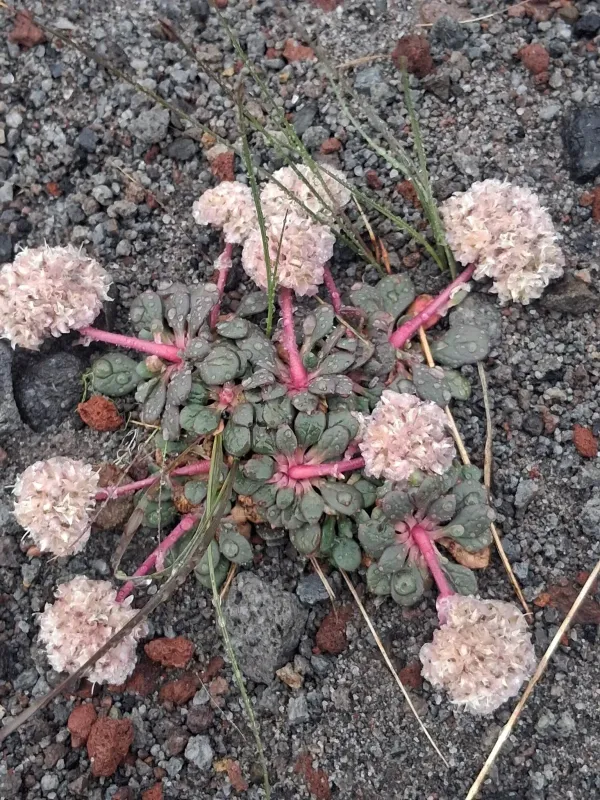
Description
Sowing dates
Calyptridium umbellatum, commonly known as pussy paws, is a perennial member of the Montiaceae family. Successful propagation requires seeds to undergo a period of cold stratification, typically lasting 4–6 weeks, to break dormancy and ensure uniform germination.
Sowing should be carried out in early spring using a well-draining, grit-based substrate. The seeds are very fine and should be sown on the surface, covered only by a light dusting of fine sand to maintain stability.
Maintaining consistent moisture during the germination phase is essential, but it must be balanced carefully to prevent damping-off, a common fungal disease that affects delicate seedlings in high-humidity environments.
Once seedlings emerge, they should be placed in a bright area with ample light to promote strong root development and a compact structure, avoiding any leggy growth caused by shade.
Transplanting young plants into their permanent location in a rock garden or alpine bed should be done with caution to avoid disturbing the root system, as the plant prefers stability once established.
Growing requirements
This species thrives in full sun, which is necessary to maintain its characteristic compact habit. Exposure to direct sunlight for most of the day is crucial for optimal flowering and overall health of the plant.
The soil must be extremely well-draining. A mix of sand, rock chips, and gravel is ideal, as the plant is highly sensitive to root rot caused by standing water or excessively moist growing conditions.
In terms of climate, Calyptridium umbellatum is adapted to mountainous regions characterized by cool summers and cold winters. It shows high resilience to temperature fluctuations typical of its natural habitat.
Agricultural management is low-intensity. Fertilizer application is generally discouraged, as the plant is adapted to nutrient-poor soils; over-fertilizing can lead to lush but weak growth prone to diseases.
The plant is highly valued for its drought tolerance once established, making it a perfect candidate for xeriscaping or specialized rock gardens where maintenance needs to be kept to a minimum.
Main diseases and pests
The most significant threat to this plant is root rot caused by poor soil drainage. If the soil remains saturated for long periods, the roots will quickly deteriorate, leading to the rapid death of the entire plant.
Fungal issues, including powdery mildew, can appear if the plants are crowded together without proper air circulation. Maintaining proper spacing between individual plants is a simple yet effective preventative measure.
Pests such as aphids may occasionally infest the flowering stalks. Regular monitoring is advised, especially during the peak growing season, to detect and manage any infestations before they cause significant damage.
Additionally, improper handling during transplanting can lead to root trauma, leaving the plant vulnerable to soil-borne pathogens. Minimizing intervention once the plant is settled is the best approach for long-term health.
- Ensure rapid soil drainage
- Provide full solar exposure
- Avoid overcrowding for airflow
- Monitor for aphid infestations
- Remove any necrotic tissue promptly