
Montia australasica
Montia australasica
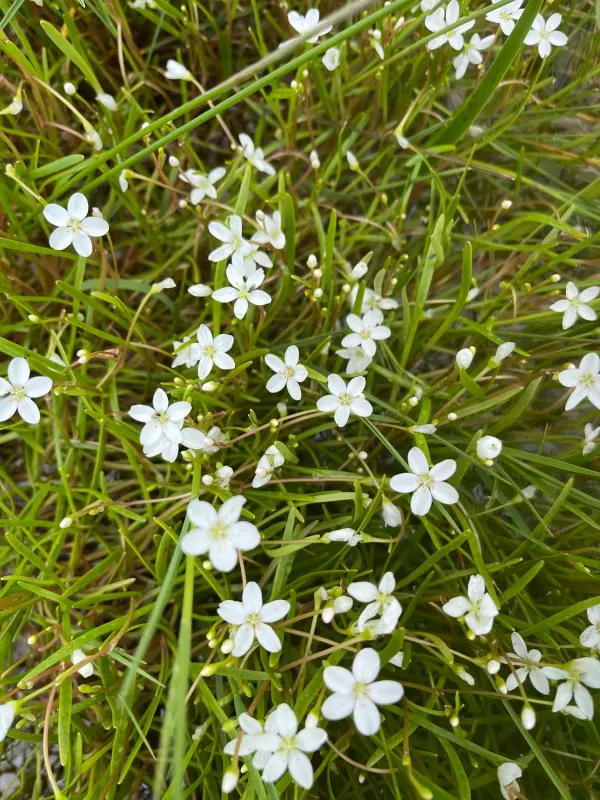
Description
Sowing dates
Montia australasica, belonging to the Montiaceae family, requires specific attention during the sowing phase to ensure optimal germination. In temperate regions, it is best to sow seeds directly in early spring once soil temperatures reach a consistent 8–10°C.
The seeds are extremely small and should be sown at a shallow depth of approximately 0.5 cm. Covering them with a thin layer of fine soil or vermiculite helps maintain the necessary moisture levels without inhibiting the emergence of the seedlings.
Controlled environments or greenhouses are ideal for early-season production, allowing farmers to start the cycle before the last frost. Regular moisture during the first ten days is critical for achieving uniform stand establishment.
For commercial production, a staggered sowing schedule with 14-day intervals is recommended to ensure a continuous supply of fresh leaves throughout the growing season. This practice maximizes yield efficiency per square meter.
Proper spacing is vital to avoid overcrowding, which can lead to elongated, weak stems. A density that allows for adequate airflow is key to maintaining a healthy crop throughout its developmental stages.
Growing requirements
This crop thrives in moist, well-draining soils rich in organic matter. While it prefers consistent moisture, it is sensitive to waterlogged conditions, which can lead to rapid root decay and loss of vigor.
Soil pH should ideally be maintained in the range of 6.0 to 7.0 for optimal nutrient availability. Incorporating well-rotted compost before planting significantly improves soil structure and nutrient content for steady vegetative growth.
Montia australasica prefers cool, sheltered locations and performs best in partial shade. Excessive direct heat and intense midday sun can stress the plants, often inducing early flowering, which diminishes leaf quality.
Temperature management is crucial; it grows most vigorously between 15°C and 22°C. In regions with hotter climates, providing shade cloth or utilizing natural canopy cover can prevent heat-induced bolting.
Routine weeding is essential, as the young plants are poor competitors. Utilizing organic mulch, such as straw or shredded bark, helps retain soil moisture, suppresses weeds, and keeps the lower foliage clean.
Main diseases and pests
Root rots are the most significant threats, typically caused by poor drainage and excessive irrigation. Ensuring a well-structured, aerated soil medium is the primary defense against these fungal pathogens.
Slugs and snails are major pests, often attracted to the lush, tender leaves. Physical barriers like copper tape or gravel mulches are effective deterrents, while biological controls can manage larger infestations.
Aphids may target the succulent growth, particularly in warm, dry weather. Regular inspections and the use of insecticidal soaps or neem oil are effective ways to mitigate damage without harming the delicate leaves.
Powdery mildew can occur during periods of high humidity and limited air circulation. Pruning surrounding vegetation and ensuring proper spacing between plants helps maintain a dry canopy, reducing mildew risk.
Implementing a strict crop rotation cycle—avoiding planting in the same area for at least two years—prevents the accumulation of soil-borne pathogens and helps maintain long-term plot health.