
Bitterroot
Lewisia rediviva
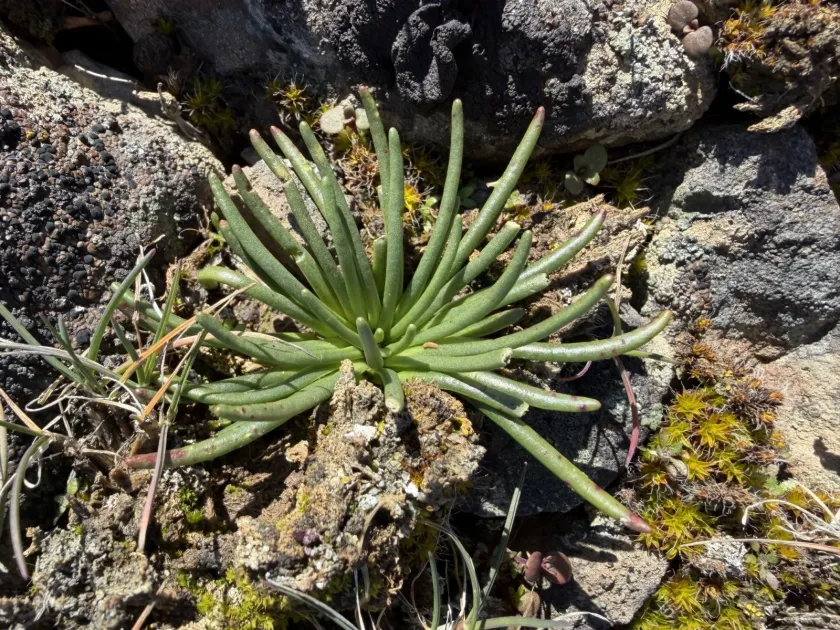
Description
Sowing dates
Bitterroot seeds require a period of cold stratification to break dormancy, mimicking the natural winter conditions of their native habitat.
Sow seeds in late winter using a porous, gritty substrate that ensures rapid drainage and prevents the seeds from sitting in excessive moisture.
Do not bury the seeds deeply; they should be lightly pressed onto the surface of the growing medium to receive sufficient light for germination.
Maintain the seed trays in a cool, bright area with consistent but light moisture, ensuring that the substrate never becomes waterlogged or completely arid.
Once seedlings have developed several true leaves, they should be carefully transplanted into individual pots before moving to their permanent location.
Growing requirements
Lewisia rediviva is a perennial succulent belonging to the Montiaceae family, renowned for its ability to survive in arid, rocky environments.
The plant is native to the western regions of North America, typically inhabiting open, rocky slopes where competition from other vegetation is minimal.
Successful cultivation relies on mimicking its natural environment: mineral-rich, extremely fast-draining soil with very low organic matter content.
This species requires full sun to partial shade, favoring cooler morning light over the intense heat of the afternoon in warmer climates.
The plant enters a state of dormancy after flowering, during which time it requires almost entirely dry conditions to prevent root rot and physiological stress.
Main diseases and pests
The primary threat to the health of Bitterroot is crown rot, which is almost exclusively caused by poor drainage or overwatering during dormancy.
Fungal diseases thrive in stagnant air; therefore, ensuring proper air circulation around the leafy rosette is crucial for preventing leaf spot and decay.
Garden pests such as slugs and snails are highly attracted to the succulent foliage, potentially causing significant damage to the plant's architecture.
Aphids may infest the flower stems during the blooming season, necessitating manual removal or gentle insecticidal treatments if the infestation is severe.
To mitigate these risks, growers should place a layer of clean grit or crushed rock directly under the foliage to keep the plant base dry and well-ventilated.