
Monerma
Monerma
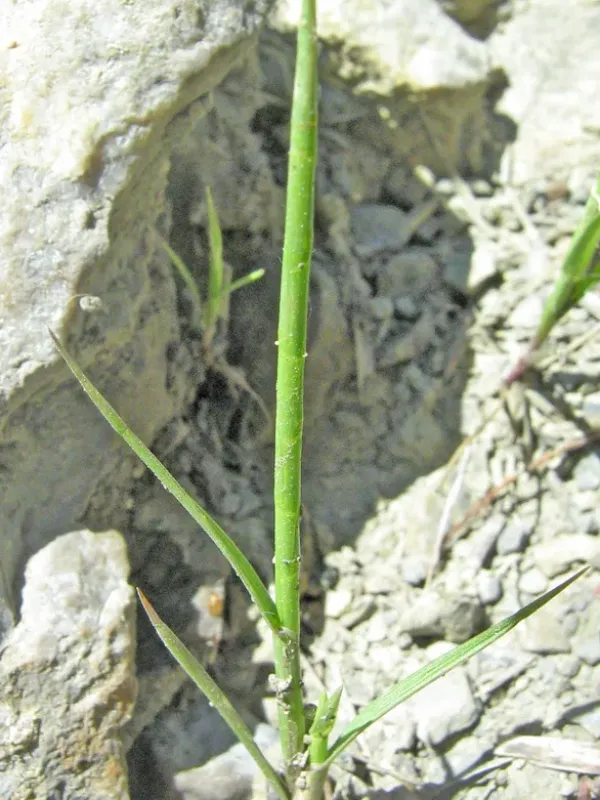
Description
Sowing dates
Monerma is a genus of annual grasses belonging to the Poaceae family, known for its adaptability to various meadow and pasture environments throughout its native range.
Sowing should take place in early spring once the soil temperature is consistently above 8–10 degrees Celsius, ensuring optimal conditions for seed germination.
The seeds require shallow planting, typically at a depth of 1–2 centimeters, to maximize the chances of successful establishment in moist, prepared soil beds.
Seedbed preparation is crucial; farmers should ensure the soil is pulverized and free from competing weeds to allow the young grass to establish dominance early on.
Proper spacing during sowing helps ensure that the crop develops a dense vegetative cover, which is essential for maximizing yield in forage production systems.
Growing requirements
Monerma thrives in temperate climates with moderate rainfall, though it exhibits some tolerance to short periods of drought once the root system is well-established.
The crop prefers well-drained, fertile soils with a neutral pH, as it does not tolerate waterlogged conditions which can lead to root rot and poor development.
Adequate sunlight is essential for growth; areas with full sun exposure will produce higher biomass yields compared to partially shaded or forested locations.
Agricultural management should include nitrogen-based fertilizers, especially during the tillering phase, to support rapid growth and improve the nutrient density of the foliage.
Soil testing is recommended to ensure that micronutrient levels are balanced, which helps in promoting long-term sustainability of the pasture or meadow.
Main diseases and pests
The primary diseases affecting this crop include various rust fungi and powdery mildew, which are most prevalent in humid conditions with poor air circulation.
Insect pests, such as cereal aphids and grass bugs, pose a significant threat by damaging seedlings and reducing the overall quality of the forage crop.
Preventative strategies, including the use of certified disease-free seeds and crop rotation, are fundamental to managing these potential biological threats.
Monitoring the fields for early signs of infestation is vital, allowing for localized treatments that minimize the need for broad-spectrum pesticide applications.
Integrated pest management practices, including the encouragement of natural predators, can help maintain a balanced ecosystem within the crop field.
Harvesting
Harvesting for forage should be conducted before the plant reaches full maturity, specifically during the late vegetative or early flowering stage for best nutrition.
Mechanical mowing should be performed at an appropriate height to avoid damaging the crown of the plant, which promotes faster regrowth after cutting.
Post-harvest management involves drying the cut material thoroughly if it is intended for hay, preventing mold growth and maintaining forage quality.
Timely harvest ensures that the plant allocates energy towards leafy growth rather than seed production, which improves the palatability for livestock.
Depending on the climatic conditions, multiple cuts per season may be possible if the soil moisture levels are maintained after the initial harvest.