
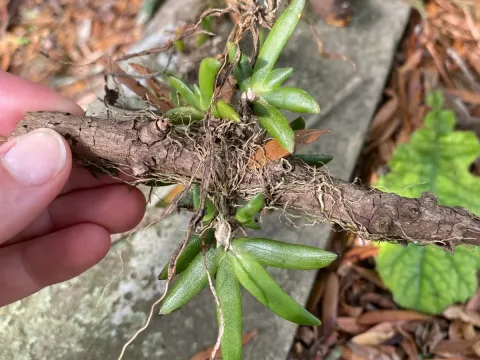
Bolusiella
Bolusiella
Bolusiella is a genus of epiphytic orchids belonging to the Orchidaceae family. These plants are native to the tropical regions of Africa, where they grow attached to tree branches in humid environments.
What the section contains
Bolusiella
Botanically, they are characterized by their small size and distinctive fan-like arrangement of foliage. They have evolved to thrive in areas with constant moisture availability, which is critical for their survival in captivity.
Successful cultivation requires maintaining high humidity levels, ideally above 70 percent. Proper airflow is non-negotiable, as stagnant air often leads to the decline of the plant's delicate root system.
Temperature management should mimic their native tropical habitat. Providing a consistent range between 22 and 26 degrees Celsius during the day, with a slight drop at night, promotes optimal physiological activity.
Mounting on organic blocks, such as cork or tree fern slabs, is the preferred method for this genus. This allows for excellent aeration of the roots, which is essential to prevent decay in the substrate.
The primary threats to Bolusiella plants include root and crown rot, typically caused by excessive moisture combined with poor ventilation around the root zone.
Insect pests such as scale insects and spider mites are frequent invaders. These pests damage plant tissue and weaken the specimen, making it susceptible to secondary bacterial infections.
Mealybugs are known to harbor in the dense leaf axils, making them difficult to spot. Routine inspections are necessary to ensure early intervention before the infestation becomes severe.
Inadequate environmental conditions often result in leaf spotting and stunted growth. Correcting the microclimate is the most effective approach to managing these physiological stress markers.
Integrated pest management, including physical removal and the use of approved systemic insecticides, is recommended to keep these small orchids healthy and free from major threats.