
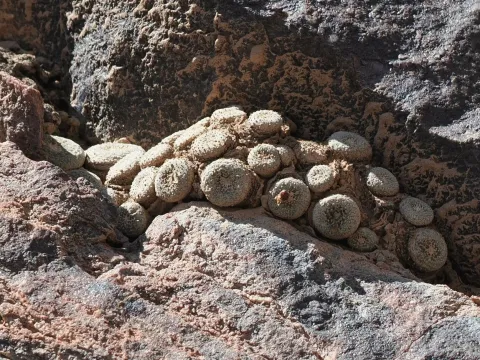
Blossfeldia
Blossfeldia
Blossfeldia is a genus of miniature cacti belonging to the Cactaceae family. These plants are native to the high-altitude regions of the Andes, where they inhabit rocky crevices in Argentina and Bolivia, growing at elevations of up to 3500 meters.
What the section contains

Blossfeldia
The botanical structure of Blossfeldia is unique due to its extremely small, button-like shape, lack of spines, and exceptional ability to withstand prolonged drought. It is widely considered one of the smallest cacti species currently known to science.
Cultivation requires a highly porous and inorganic soil mix, primarily composed of fine gravel, perlite, and sand, with only a tiny fraction of organic matter. Proper drainage is the most critical factor to prevent rot in the root system.
This species thrives in bright but filtered light conditions, as direct sunlight can cause thermal stress and scorching on the delicate green stems. Good ventilation is essential to replicate the high-altitude airflow these plants receive in their natural habitat.
Watering should be minimal and performed strictly during the active growing season. During the winter dormancy period, the plant should be kept completely dry and in a cool environment to maintain its natural growth cycle and health.
The primary pests affecting Blossfeldia are root mealybugs and spider mites. Due to the miniature size of the cactus, these pests can quickly colonize the plant, leading to stunted growth or complete destruction of the specimen.
Fungal rots represent the most significant threat to the plant's health, often caused by overwatering or poor ventilation. Once the internal tissues are compromised by rot, recovery for such a small plant is highly unlikely.
Environmental stress, such as sudden shifts in humidity or improper light levels, makes the plant susceptible to secondary infections. Maintaining a clean and sterile environment is crucial for avoiding these common threats.
Treatment involves the use of systemic pesticides and fungicides, but one must be cautious with application rates due to the plant's sensitivity. Always test treatments on a small part of the plant or ensure the product is safe for delicate cacti.
- Regular monitoring for signs of infestation
- Use of sterile substrate for repotting
- Proper air circulation in the growing area
- Strict winter drought requirements
- Early isolation of symptomatic plants