
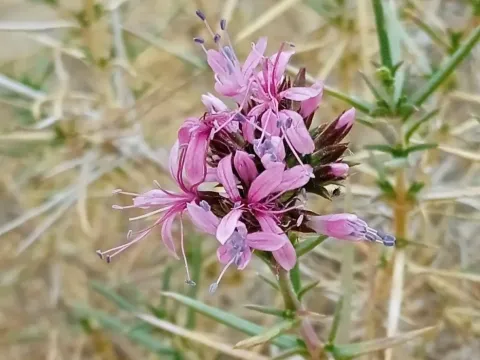
Allochrusa
Allochrusa
The cultivation of Allochrusa paniculata begins with sowing seeds in well-prepared, loose soil. Early spring is the preferred time to ensure the seeds utilize the moisture reserves present in the soil after winter.
What the section contains
Allochrusa
Given the small size of the seeds, they should be sown at a shallow depth of 1 to 2 centimeters. Stratification of the seeds is highly recommended to improve germination rates significantly.
In large-scale farming, row planting is the standard method used to provide sufficient spacing between plants, allowing the taproot system to develop without resource competition.
The initial growth phase is slow, making the plants particularly vulnerable to weed infestation. Consistent weeding and soil cultivation in the early stages are vital for successful establishment.
During the first year, the focus is on the formation of the leaf rosette and the initial development of the root system, which will store the valuable saponins harvested in later years.
Allochrusa is a drought-tolerant crop that thrives in sunny, open environments. It is well-adapted to semi-arid regions and prefers well-drained, sandy or gravelly soil types.
The plant is highly sensitive to waterlogged conditions, which can lead to root rot. Therefore, choosing a site with excellent natural or artificial drainage is a primary agricultural requirement.
Soil pH should ideally be neutral or slightly alkaline. While the plant can grow in nutrient-poor soils, phosphorus and potassium fertilization can enhance root quality and saponin production.
Allochrusa possesses significant cold hardiness, allowing it to survive harsh winter temperatures, which makes it suitable for various continental climate zones.
Proper aeration is essential for this species. Regular loosening of the soil between rows prevents soil crusting and promotes healthy root respiration and development.
The yield of Allochrusa is cumulative over several years. While the plants can be harvested starting from the second year, the highest concentrations of active compounds are typically found in 3- to 4-year-old roots.
Yields of dry roots depend heavily on soil fertility and plant density. Proper management typically results in a stable harvest that meets the demands of the pharmaceutical and food processing industries.
Root mass increases steadily during the active growing seasons. Farmers should balance the trade-off between longer growth periods for better quality and the economic cycle of the plantation.
Field maintenance, including weed control and prevention of mechanical damage, directly correlates with the final dry matter output per hectare.
Standardized harvesting techniques are employed to ensure that the yield consists primarily of high-quality roots, free from debris and excessive impurities.
The most significant threat to Allochrusa is root rot caused by stagnant water or poor soil aeration. This disease can rapidly devastate a plantation if not controlled through proper drainage.
Soil-dwelling insects, such as wireworms, can cause structural damage to the roots, providing entry points for pathogens and decreasing the market value of the crop.
Weeds are the main competitive threat during the first two years. If left uncontrolled, they can shade out the slow-growing Allochrusa seedlings and deplete soil nutrients.
Crop rotation is an essential preventive measure. Growing Allochrusa in the same field repeatedly increases the risk of soil-borne diseases and pest buildup.
Integrated pest management, including regular field inspections and selecting resistant varieties, is necessary to maintain long-term plantation health.
Harvesting usually occurs in the autumn when the plant enters dormancy. During this phase, nutrients are stored in the roots, maximizing the chemical quality of the raw material.
Mechanical harvesting equipment, such as root diggers or modified plows, is used to extract the roots from the soil while minimizing breakage and deep-soil damage.
Post-harvest processing involves cleaning the roots from dirt and debris. Washing is performed to remove remaining soil, followed by cutting the roots into uniform pieces.
Drying is a critical step in the supply chain. Using temperature-controlled dryers prevents enzymatic breakdown and mould growth, ensuring the stability of the saponins.
Once dried, the product is graded according to industry standards, typically based on moisture content and the concentration of specific active ingredients for pharmaceutical use.