
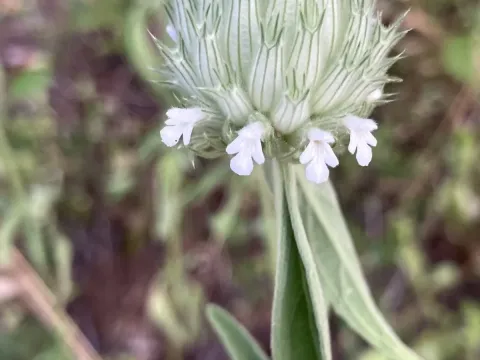
Acrotome
Acrotome
The genus Acrotome belongs to the Lamiaceae family. These plants are typically characterized by their aromatic foliage and specific floral structures adapted for pollination in arid environments.
What the section contains

Acrotome
Native to Africa, Acrotome species are primarily found in savanna landscapes, grasslands, and rocky regions where they thrive under intense sunlight and heat.
The species within this genus are highly adapted to low-moisture environments, preferring well-drained, sandy soils that prevent root saturation during short rainy seasons.
Cultivation of Acrotome is currently minimal, as it remains largely a wild-growing genus, though its biological resilience makes it a subject of interest for climate-smart agriculture.
Understanding the environmental needs of this genus is essential for potential future domestication, especially regarding soil pH levels and light intensity requirements.
Common threats to Acrotome include root rot diseases that occur when plants are exposed to excessive moisture or poorly drained soils for extended periods.
Insect pests, specifically aphids and certain types of beetles, can cause significant damage to the leaf tissue, reducing the plant's overall photosynthetic efficiency.
Fungal infections of the stems often arise in humid microclimates, which can be devastating to dense populations of the plant during the growing season.
Competition from aggressive invasive weeds poses a major threat to Acrotome seedlings, as they struggle to establish themselves in resource-limited wild conditions.
Climate change, manifesting as unpredictable rainfall patterns, alters the typical cycle of the plant, sometimes leading to reduced seed production and population decline.