
Acrotome inflata
Acrotome inflata
Description
Growing requirements
Acrotome inflata is a notable plant species belonging to the Lamiaceae family. Native to the southern regions of Africa, this plant has evolved to thrive in diverse environments, primarily characterized by seasonal precipitation and well-drained soil structures typical of its natural habitat.
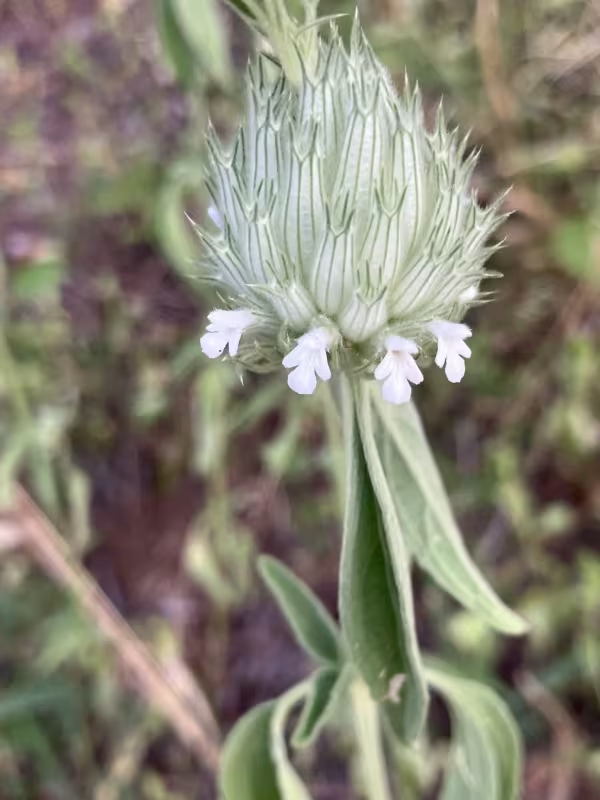
The botanical profile of the plant features sturdy, square-shaped stems and decussate leaf arrangements. Its most distinct reproductive feature is the swollen calyx of the inflorescence, which serves as a protective mechanism for the seeds during the maturation process, giving the plant its specific name.
Cultivation of this species requires full sun exposure and warm climate conditions. It is highly adapted to arid environments, making it a potentially resilient crop for areas prone to water scarcity. Proper moisture management is essential to prevent physiological stress during the germination phase.
The ideal growing medium for Acrotome inflata is sandy or gravelly loam with high permeability. The roots are highly sensitive to oxygen depletion; thus, avoid planting in compacted soils where water drainage is poor and the risk of root pathogens is significantly elevated.
From a utilization perspective, the plant is primarily recognized for its ethnomedicinal value. Various traditional applications suggest that the leaves and stems contain bioactive compounds that warrant further phytochemical study, potentially unlocking new paths for commercial herbal production.
Main diseases and pests
The primary agricultural threats to Acrotome inflata include soil-borne fungal pathogens such as Pythium and Rhizoctonia, which are triggered by excessive watering. These pathogens lead to damping-off and root decay, causing irreversible damage to the plant populations.
Pest management often focuses on common sap-sucking insects like aphids and whiteflies. In intensive cultivation, these pests not only stunt the plant's growth by draining plant sap but also act as vectors for viral diseases that can rapidly spread throughout the entire crop.