
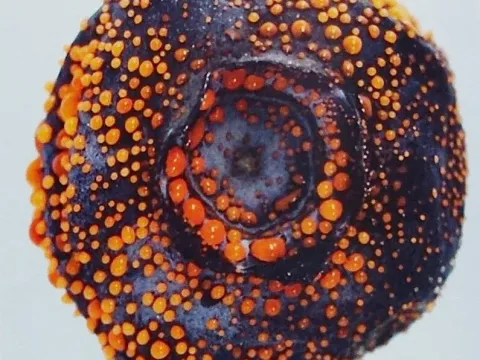
Botryosphaeria stem canker
Botryosphaeria corticis
Botryosphaeria stem canker is caused by the fungus Botryosphaeria corticis, a member of the Botryosphaeriales order. It is a serious pathogen primarily affecting highbush blueberries.
What the section contains
Botryosphaeria stem canker
The fungus is an ascomycete that thrives in the vascular and cortical tissues of the plant. It survives and reproduces by forming fruiting bodies that release spores throughout the growing season.
This pathogen is highly specialized and relies on the presence of wounds or natural openings in the bark to colonize the host plant successfully.
The development of the disease is closely linked to environmental factors. Warm temperatures combined with frequent precipitation provide ideal conditions for the spore germination and colonization of new tissue.
Genetic susceptibility varies significantly between blueberry cultivars, which remains the primary tool for managing the disease in commercial orchards.
The disease primarily attacks the stems and branches of highbush blueberries (Vaccinium corymbosum). It interferes with the plant's vascular system, hindering the transport of water and nutrients.
Initial infection results in localized lesions that slowly expand. As the fungus girdles the stem, the distal part of the branch begins to wither and eventually dies off entirely.
In severe cases, the cumulative damage can lead to the death of the entire bush, as the pathogen spreads systematically through the plant's tissues over several years.
Reduced vigor of infected bushes leads to stunted growth, reduced berry size, and a significant decrease in overall crop yield, impacting farm profitability.
Weakened plants are also more susceptible to secondary stressors, including drought, frost damage, and other opportunistic pathogens.
The first symptoms appear as small, reddish or purple spots on the stem, which are often overlooked in the early stages of the disease.
As the infection progresses, these spots develop into prominent, raised cankers. The bark in these areas becomes rough, cracked, and may start to peel away.
Small black fruiting bodies, known as pycnidia, often emerge on the surface of the cankered areas, serving as a primary source of inoculum for further spread.
Foliage on the infected branches may display chlorosis (yellowing) or premature reddening, followed by wilting and necrosis as the branch dies.
Internal examination of the stem reveals dark, discolored wood, indicating the deep penetration of the fungal mycelium into the xylem and phloem layers.
Selecting resistant or tolerant cultivars is the most effective long-term strategy for minimizing the impact of stem canker on blueberry farms.
Rigorous sanitation practices are essential; all symptomatic branches must be pruned well below the infection site and removed or destroyed immediately.
Orchard management should focus on reducing wounding during maintenance operations and maintaining optimal plant spacing to promote airflow and quick drying of tissues.
Fungicide applications, particularly during the wet spring and early summer months, can protect new growth from infection by suppressing spore germination.
- Disinfecting pruning tools between bushes to prevent mechanical transmission.
- Providing balanced fertilization to maintain overall plant vigor and resilience.
- Monitoring the orchard during the rainy season for early detection of new lesions.