
Botryosphaeria zeae
Botryosphaeria zeae
Botryosphaeria zeae is a fungal pathogen classified within the Ascomycota phylum, responsible for causing significant yield losses in maize crops worldwide.
What the section contains
Botryosphaeria zeae
The fungus survives primarily in crop residues and soil, maintaining its presence through pycnidia and perithecia that release spores during favorable conditions.
During the growing season, the pathogen produces conidia, which are disseminated by wind and splashing rain, leading to secondary infections throughout the field.
It acts as a facultative parasite, capable of transitioning between living plant tissue and dead organic matter, making it a persistent threat in continuous corn systems.
The development of the fungus is highly dependent on high temperatures and high humidity levels during the critical grain filling stages of corn development.
While corn is the primary host for Botryosphaeria zeae, the pathogen can affect various other grasses within an agricultural landscape.
It is primarily known for causing ear and stalk rot, which significantly compromises the structural integrity of the maize plants.
Ear infections result in contaminated kernels, leading to significant quality degradation and potential mycotoxin accumulation in the harvested grain.
Infection disrupts the vascular pathways of the plant, preventing the efficient translocation of nutrients and water to the developing ear.
The economic impact involves not only reduced yields and grain weight but also increased costs associated with harvesting lodged crops and processing poor-quality grain.
Visible symptoms typically appear during the reproductive stages of maize development, particularly as the crop nears maturity.
Infected stalks often display dark, olive-black discoloration at the nodes, which may progress to internal rot of the stalk pith.
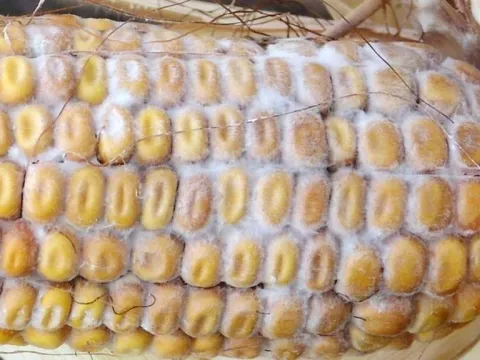
Infected ears exhibit patches of gray or black fungal growth on the husks and kernels, often giving the ear a blighted or decayed appearance.
- Premature wilting and yellowing of the foliage, especially in the upper canopy.
- Stalk breakage or lodging due to internal tissue softening and decay at the nodes.
- Formation of small, black, pepper-like pycnidia on the surface of decayed husks or stalk tissue.
Kernels may appear shriveled, discolored, or covered in fungal mycelium, which severely impacts germination rates and overall crop health.
Implementing a diverse crop rotation is the most effective management strategy to break the life cycle of the pathogen and reduce inoculum levels.
Tillage practices that incorporate crop debris deep into the soil facilitate decomposition and reduce the survival rate of the fungus in field residues.
Selecting and planting resistant or tolerant maize hybrids is crucial, as this minimizes the susceptibility of the crop to the fungal colonization.
Maintaining optimal soil fertility and managing plant stress through proper irrigation and nutrient balance strengthens the crop's natural defenses.
Seed treatment with high-quality systemic fungicides and, if necessary, well-timed foliar applications can help manage infections in high-risk environments.