
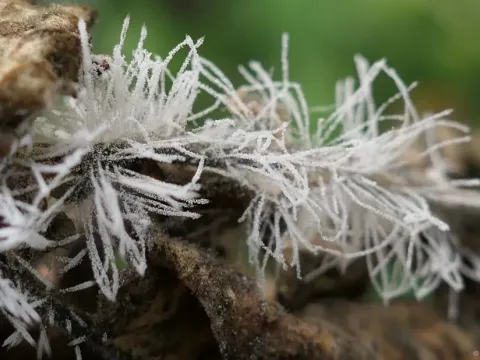
Botryosporium pulchrum
Botryosporium pulchrum
Botryosporium pulchrum is a fungal species belonging to the order Hypocreales. It is widely recognized in agronomy as an opportunistic pathogen that thrives in greenhouse environments, acting primarily as a decomposer of organic matter but capable of attacking living plant tissues under stress.
What the section contains
Botryosporium pulchrum
The fungus is characterized by its distinct, branched conidiophores which appear like small, delicate trees. These structures produce mass amounts of hyaline conidia, which facilitate rapid spread via wind currents or humidity-driven dispersal mechanisms within confined spaces.
This pathogen mainly impacts greenhouse vegetable crops, including tomatoes, cucumbers, and peppers, as well as ornamental plants. It targets tissues that are physically damaged, necrotic, or weakened due to poor growing conditions, such as high humidity or nutrient imbalance.
In tomato cultivation, the fungus frequently colonizes the stumps left after pruning or pinching. Once established, it can spread to adjacent healthy tissues, leading to secondary rot and tissue degradation that compromises the overall health of the plant.
The incidence of Botryosporium pulchrum peaks during periods of high humidity and poor ventilation. In greenhouse settings, such conditions often occur when outdoor temperatures drop, leading to condensation inside the structure, or when plant density becomes excessive.
The optimal development of the fungus occurs at temperatures between 20°C and 25°C. When these climatic conditions persist, the pathogen can complete its life cycle rapidly, resulting in a severe accumulation of inoculum that puts the entire crop at significant risk.
The primary symptom is the emergence of a conspicuous, white, velvety mold on the surface of stems, petioles, or leaves. As the fungal colony matures, the appearance may transition to a slightly greyish or dirty white color, often covering the entire infected area.
Infected plant tissues lose their structural integrity, becoming soft, watery, and eventually necrotic. If the stems are severely affected, the plant may wilt and die because the fungus obstructs the vascular system or destroys the outer protective layers of the tissue.
Management of this disease is focused on cultural practices that modify the microclimate to be less favorable for fungal growth. Sanitation is the cornerstone of keeping this pathogen in check during the growing season.
- Regularly pruning to improve airflow and reduce plant density.
- Promptly removing and destroying any infected plant tissue.
- Sanitizing pruning tools with approved disinfectants to prevent cross-contamination.
- Maintaining optimal relative humidity through proper heating and ventilation strategies.