
Botryosphaeria obtusa
Botryosphaeria obtusa
Description
How to identify
Botryosphaeria obtusa is an ascomycete fungus and the primary causal agent of black rot in apple and other pomaceous fruit trees. It exists in both sexual and asexual (Diplodia seriata) states.
The fungus is a facultative parasite, meaning it can survive and proliferate on dead organic matter, making it a persistent threat in orchards that lack proper sanitation.
Taxonomically, it belongs to the family Botryosphaeriaceae, order Botryosphaeriales. It is well-documented for its ability to produce various types of spores that facilitate long-distance dispersal.
Mycelium growth inside host tissues often goes unnoticed until visible symptoms appear, making early detection difficult for orchardists.
Modern diagnostic techniques include PCR and sequencing to distinguish B. obtusa from other related Botryosphaeria species found in similar hosts.
What it damages
The pathogen is highly destructive, affecting branches, trunks, leaves, and fruits of apples, pears, and occasionally stone fruits and grapevines.
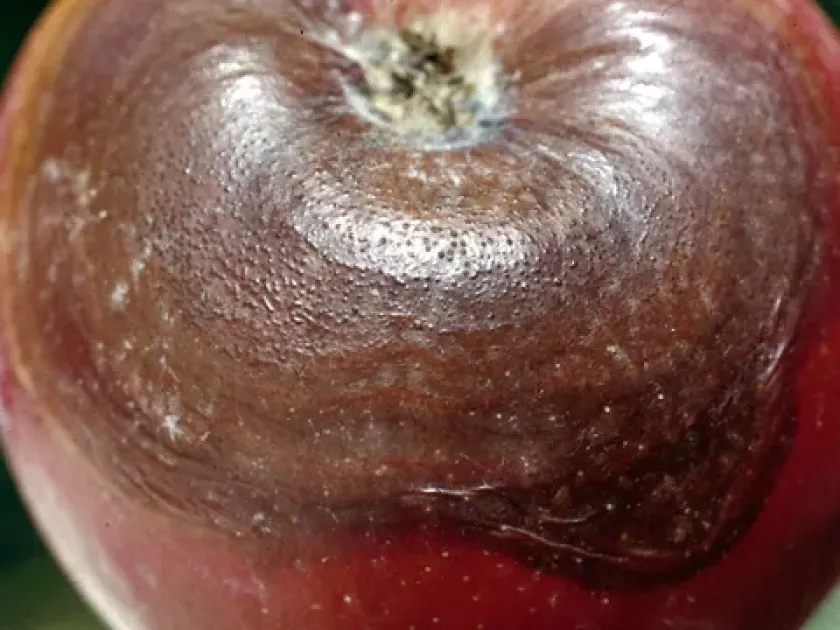
Black rot on fruit is characterized by rapid decay, resulting in total crop loss as the fruit turns into a shriveled, carbon-black mummy.
Cankers on trunks and limbs can girdle the tree, causing the death of entire branches or the whole tree if the infection reaches the crown area.
Leaf infection, known as 'frog-eye leaf spot', reduces the photosynthetic area, which leads to early defoliation and poor fruit set for the next season.
The overall impact includes decreased yield, poor fruit quality, and increased susceptibility of trees to other secondary pathogens and environmental stressors.
When it appears
The disease cycle is triggered by warm, humid spring conditions which favor the release of ascospores and pycnidiospores from overwintering structures.
Infection primarily occurs through wounds caused by pruning, insects, frost cracks, or mechanical damage during cultivation activities.
During the summer, secondary cycles occur repeatedly following rain events, leading to the rapid spread of the fungus throughout the orchard canopy.
The pathogen survives the winter as mycelium and pycnidia within dead bark, wood, and mummified fruits left hanging or on the orchard floor.
Moisture availability is the critical factor for spore germination and successful host penetration, making rainy growing seasons particularly dangerous.
Signs of infestation
Symptoms on bark include dark, sunken, irregular lesions that eventually expand and turn deep black, often resembling charred wood.
Small, raised black structures called pycnidia appear on the surface of dead bark, which act as the primary source of inoculum for further spread.
Leaf spots display concentric rings of alternating dark and light colors, which resemble the appearance of a frog's eye.
Fruits infected during the early stages develop brown, firm spots that rapidly expand, eventually covering the entire fruit with a dark rot.
Cross-sections of affected branches reveal dark discoloration of the xylem, indicating systemic spread of the fungal toxins within the wood.
Control measures
Successful management of Botryosphaeria obtusa requires an integrated approach focusing on sanitation and tree health optimization.
Pruning should be performed during dry weather to ensure rapid healing of wounds, and all cut branches must be removed and destroyed immediately.
Proper nutrient management, especially balanced nitrogen and potassium, helps trees remain vigorous and better able to compartmentalize fungal infections.
- Apply copper-based fungicides as a preventative measure during the dormant period and early green tip stage.
- Use systemic fungicides belonging to the strobilurin or triazole classes if heavy pressure is detected during the growing season.
- Maintain orchard hygiene by removing all mummified fruits and dead wood to reduce the overwintering inoculum pool.
Implementing orchard practices that minimize mechanical injuries to the trunk and main scaffold branches is essential to prevent pathogen entry.
Causes diseases · 2
Discussion
No discussions yet — be the first.