
Botryosphaeria berengeriana
Botryosphaeria berengeriana
Botryosphaeria berengeriana is a species of fungi belonging to the Ascomycota division. It acts as a significant plant pathogen, responsible for severe diseases such as cankers and twig dieback in various woody hosts, including fruit trees and ornamentals.
What the section contains
Botryosphaeria berengeriana
The fungus survives primarily as mycelium in infected bark and dead branches. It produces fruiting bodies, known as pycnidia, which release spores during humid conditions, allowing the pathogen to disperse effectively across orchards and gardens.
Biologically, it behaves as both a saprophyte and a facultative parasite. While it often colonizes decaying wood, it can quickly invade healthy tissue if the host plant is stressed by environmental factors like drought, extreme temperature, or mechanical damage.
The growth and development of this pathogen are heavily influenced by climate conditions. Mild temperatures combined with high moisture levels provide the ideal environment for the fungus to germinate and colonize the vascular tissues of the tree.
Host susceptibility plays a major role in the infection cycle. Plants that are improperly pruned or malnourished are significantly more likely to succumb to the infection compared to vigorous, well-maintained specimens.
This pathogen causes extensive damage to various crops, including apples, pears, and stone fruits. The most visible impact is the widespread necrosis of branches, which can lead to complete crown dieback if left untreated over several growing seasons.
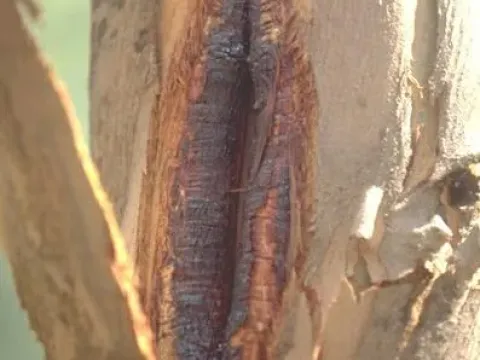
Infection often starts with small, sunken areas on the bark that gradually expand into longitudinal cracks. These cankers eventually girdle the stem or branch, effectively cutting off the supply of water and nutrients to the distal parts of the plant.
Fruit rot is another critical symptom, appearing as brown, spreading lesions. This type of damage occurs frequently during the harvest phase, leading to significant post-harvest losses and reduced marketability of the produce.
The cumulative damage includes stunted vegetative growth, reduced photosynthetic activity, and a decline in overall tree vitality. Over time, the affected tree becomes less productive and eventually fails to yield high-quality fruit.
Economic impact is particularly high in commercial orchards where the pathogen spreads rapidly if sanitation is ignored. The loss of structure in woody branches also makes the tree prone to breakage during strong winds or heavy snow.
The primary control strategy involves rigorous sanitation practices. Removing and burning all dead or infected wood is crucial, as this material acts as the main reservoir for fungal spores during the dormant season.
Chemical control programs should focus on preventative fungicide applications. Applying copper-based treatments during the dormant season helps to eliminate overwintering spores on the bark and provides a protective barrier against future infection.
Pruning techniques must be managed to reduce tree stress and potential entry points. All large pruning cuts should be sealed with appropriate wound dressings to prevent the spores of Botryosphaeria berengeriana from colonizing the exposed heartwood.
Maintaining overall plant health through balanced fertilization and adequate irrigation is vital. By avoiding extreme environmental stress, the tree's natural defense mechanisms are better equipped to limit the spread of the fungus.
Monitoring the orchard for early signs of twig dieback and culling infected branches immediately is the most effective way to prevent the buildup of the fungal population and ensure the longevity of the orchard.