
Botryosphaeria theobromae
Botryosphaeria theobromae
Description
How to identify
Botryosphaeria theobromae is a widespread ascomycete fungus and a significant plant pathogen, known for its ability to infect a vast range of tropical and subtropical plants.
Its anamorph (asexual) state, Lasiodiplodia theobromae, is commonly isolated from diseased plant tissues and is responsible for causing significant post-harvest losses.
The fungus develops by infiltrating the host plant's xylem and phloem, effectively disrupting the vascular system and water transport within the branches or stem.
It propagates through the production of conidia (spores) in pycnidia, which are tiny black fruiting bodies that erupt through the bark surface.
Due to its opportunistic nature, this pathogen is highly efficient at surviving on dead organic matter, making it a persistent threat in various agricultural ecosystems.
What it damages
The pathogen is primarily responsible for stem-end rot, branch dieback, and bark necrosis, which can lead to severe structural damage of trees.
It affects a broad spectrum of economically important crops, including cocoa, citrus, mango, banana, and various woody ornamental species.
Infection results in the discoloration of internal woody tissues, which turns dark brown or black as the fungus degrades the structural components.
Fruit decay caused by this pathogen is rapid; once the fungus enters the fruit, it can cause complete tissue softening within a few days.
The cumulative damage often leads to significantly reduced fruit yields and the eventual death of severely infected orchard or plantation trees.
When it appears
The pathogen exhibits high activity throughout the year in tropical regions, with peak infection rates coinciding with periods of high humidity and rainfall.
Warm temperatures, particularly between 25°C and 30°C, provide optimal conditions for the rapid germination and colonization of host tissues.
During dry seasons, the fungus remains dormant as mycelium or as resilient pycnidia within the bark of infected branches.
Periods of extreme stress, such as drought followed by sudden heavy rain, often trigger massive spore discharge and subsequent outbreaks of the disease.
In temperate zones, the pathogen survives the winter in fallen plant debris and diseased wood, resuming infection when temperatures rise in spring.
Signs of infestation
The most visible symptom is the development of dark, sunken lesions on the trunks or branches, often accompanied by resin or gum exudation.
As the disease progresses, leaves on the affected branches wilt and die suddenly, resulting in a distinct "flagging" appearance on the canopy.
- Presence of dark-colored pycnidia on the surface of dying bark.
- Internal wood discoloration extending deep into the heartwood.
- Soft, dark, and mushy spots on fruit surfaces that eventually cover the entire specimen.
Cross-sections of affected branches frequently reveal a wedge-shaped or circular necrosis in the xylem vessels.
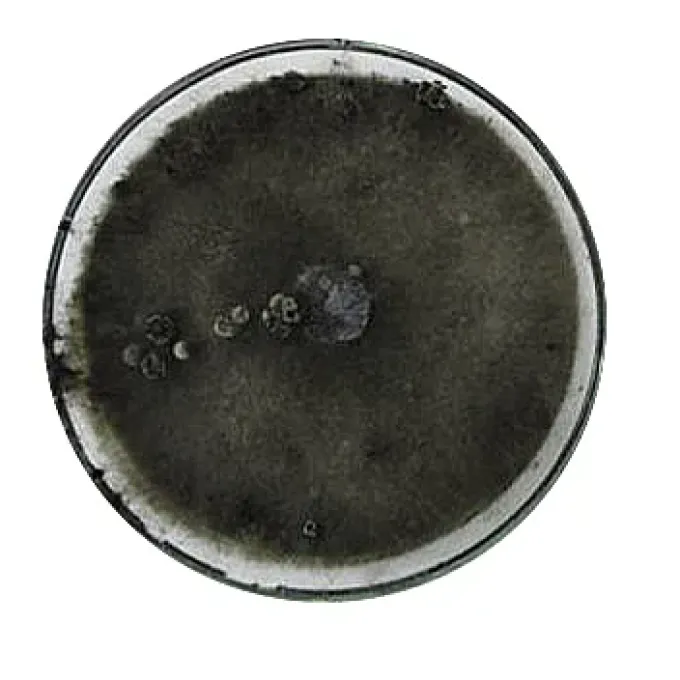
In advanced stages, the fungus may form a gray or black velvety mycelial mat on the surface of decayed fruit or stems.
Control measures
Sanitation is the most crucial management practice; all diseased branches and dead wood must be pruned and removed from the site to reduce inoculum.
Pruning should be performed during dry periods to prevent spores from entering fresh wounds, and all tools must be disinfected after use on each tree.
Protecting large pruning cuts with fungicidal pastes or wound sealants is essential to prevent secondary infections by airborne spores.
Implementing proper irrigation and soil fertility programs helps trees maintain vigor, which is the best natural defense against pathogen colonization.
Chemical control using systemic fungicides, such as triazoles or strobilurins, can be effective as a preventive measure in high-risk areas or during specific infection seasons.
Causes diseases · 3
Discussion
No discussions yet — be the first.