


SKU #59462
·
55 views
Wheat MOSCOW 39
Wheat
ФГБНУ Федеральный исследовательский центр «Немчиновка»User rating
0 votes0% positive reviews
No ratings yet — be the first.
Type of Development
Winter wheat
Wheat Type
Soft wheat variety
Plant; height
90-100 cm
Seed: mass 1.000 pcs seeds
35-40 grams
Store offers · 1 from 1 stores
Prices are updated on loadLoading offers…
Available at: Сад от А до Я · Свое Фермерство
Aggregator catalog: prices are collected automatically from store websites, normalized by AI and converted at the current exchange rate. Before ordering, confirm the price and availability on the store's website. This block is not indexed by search engines — the data is loaded after the page opens.
About product

Moscow 39 is a soft winter wheat (Triticum aestivum L.) variety characterized by high yield and excellent grain quality. Medium-to-late maturing and medium height, this variety possesses lodging resistance and winter hardiness at the standard level. The mass of 1000 grains varies from 34 to 42 grams. The main advantage of the variety is its high baking qualities: gluten content in flour reaches 37…
Type of Development
Winter wheat
Wheat Type
Soft wheat variety
Plant; height
90-100 cm
Seed: mass 1.000 pcs seeds
35-40 grams
Description
Moscow 39 is a soft winter wheat (Triticum aestivum L.) variety characterized by high yield and excellent grain quality. Medium-to-late maturing and medium height, this variety possesses lodging resistance and winter hardiness at the standard level. The mass of 1000 grains varies from 34 to 42 grams. The main advantage of the variety is its high baking qualities: gluten content in flour reaches 37.2%, gluten quality is 73 units on the IDK scale, flour strength is 330 units, and loaf volume reaches 980. The variety is resistant to powdery and solid head smut, as well as septoria, but is susceptible to brown rust and powdery mildew, requiring fungicidal treatments during the vegetation period.
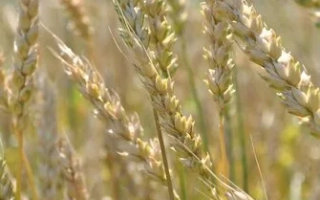
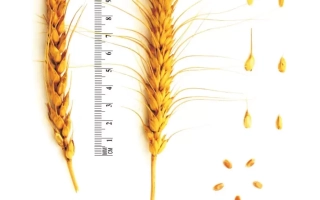
Moscow 39 plants have a height of 91 to 100 cm, with an intermediate bush type and medium straw thickness. The flag leaf is covered with a waxy coating, and the ear is fusiform, white, and of medium density. The grain is of medium size, red in color, elongated-egg-shaped with a short awn. The vegetation period is 305-308 days, which corresponds to the average level for this region. The yield of the variety in the Central region averages 28.6 c/ha, with maximum indicators up to 59.4 c/ha in individual regions.
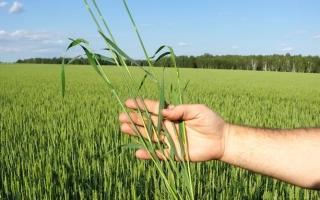
Besides food and feed use, Moscow 39 is widely used as a cover crop. Due to its ability to effectively restore depleted soils, enrich them with nutrients, and suppress weed growth, this variety contributes to improving the physical-biological composition of the soil. Building up green mass over 30-45 days allows increasing the content of potassium, phosphorus, and other useful elements, as well as improving soil water and air permeability. Incorporating biomass helps prevent erosion, increase fertility, and protect against infectious diseases, making Moscow 39 a versatile and eco-friendly choice for agriculture.
Moscow 39 plants have a height of 91 to 100 cm, with an intermediate bush type and medium straw thickness. The flag leaf is covered with a waxy coating, and the ear is fusiform, white, and of medium density. The grain is of medium size, red in color, elongated-egg-shaped with a short awn. The vegetation period is 305-308 days, which corresponds to the average level for this region. The yield of the variety in the Central region averages 28.6 c/ha, with maximum indicators up to 59.4 c/ha in individual regions.
Besides food and feed use, Moscow 39 is widely used as a cover crop. Due to its ability to effectively restore depleted soils, enrich them with nutrients, and suppress weed growth, this variety contributes to improving the physical-biological composition of the soil. Building up green mass over 30-45 days allows increasing the content of potassium, phosphorus, and other useful elements, as well as improving soil water and air permeability. Incorporating biomass helps prevent erosion, increase fertility, and protect against infectious diseases, making Moscow 39 a versatile and eco-friendly choice for agriculture.
Video · 1 video
Suggest a video →Crop & resistance
Crop
Disease resistance
Specifications hover over for a hint about the specification
| Type of Development | |
|---|---|
|
Wheat Type
Wheat Type
Biologically hard wheat differs from soft wheat in its greater demand for soil fertility and agronomic conditions (especially regarding field cleanliness from weeds), lower drought resistance and plasticity, relatively weaker root development, especially nodal roots, and lower ti... |
|
| Plant; height | 90-100 cm |
| Seed: mass 1.000 pcs seeds | 35-40 grams |
|
Grain: gluten content
Grain: gluten content
Raw gluten of grain is a hydrated protein and consists of water-insoluble protein fractions, as well as a small amount of starch, fats, and other substances firmly bound by proteins. Since gluten is primarily composed of proteins, its yield and quality depend on the quantity and... |
More than 30% |
| Resistance to lodging | |
| Registration year | 1999 |
| Catalog | Catalog → Wheat |
| Manufacturer | ФГБНУ Федеральный исследовательский центр «Немчиновка» |
| Legal data |
Show · 22
|
| Country | Russia |
Not yet комментариев. Be the first!
Alternatives
Wheat seeds · similar varieties








See also
Often considered together with this variety




Recently viewed
Products you’ve viewed on this site
Reviews · 0