


SKU #59463
·
48 views
Wheat POBEDA 50
Wheat
Prices in stores
No offers yet — stores have not added prices for this product yet.
Similar varieties with prices
-
Sotnitsia
from 0.18 €per 1 kg
-
 PONTICUSSTRUBE
from 0.12 €per 1 kg
PONTICUSSTRUBE
from 0.12 €per 1 kg
-
 Field Flower
from 0.23 €per 1 kg
Field Flower
from 0.23 €per 1 kg
-
 LukullusSaatbau
from 0.28 €per 1 kg
LukullusSaatbau
from 0.28 €per 1 kg
Type of Development
Winter wheat
Wheat Type
Soft wheat variety
Ostistost'
Awned
Plant: height
80-90 cm
Your mark
0 votes
0% positive ratings
About product
A high-yielding awned soft wheat variety with superior lodging resistance and broad disease immunity.
Description
Yield Potential and Reliability
The «Pobeda 50» winter soft wheat variety is a product of the long-term breeding program at the P.P. Lukyanenko National Grain Center. Developed to meet the demands of modern commercial farming, this variety has established a reputation for reliability and consistent performance. It is specifically optimized for producers aiming to balance intensive input management with maximum output capacity.
Agronomic Profile
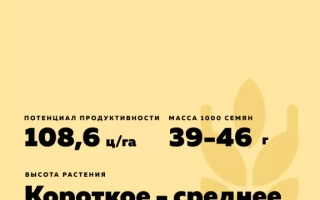
«Pobeda 50» is an awned wheat variety of the semi-dwarf type, standing 80-90 cm tall. This specific height profile contributes to its excellent resistance to lodging, a critical factor for farmers utilizing high-intensity production models. When agronomic practices are strictly followed, the variety demonstrates a yield potential of 9-10 tonnes per hectare.
Winter Hardiness and Phytosanitary Defense
Adaptability is the cornerstone of this variety. With winter hardiness ratings ranging from 7 to 9 points, «Pobeda 50» is engineered to endure significant temperature fluctuations. Furthermore, the variety possesses robust genetic resistance to a wide array of pathogens, including:
- Loose smut;
- Mycosphaerella leaf spot;
- Various rust species;
- Fusarium;
- Powdery mildew and brown spot.
This comprehensive disease resistance profile allows agronomists to optimize fungicide programs while maintaining a healthy canopy throughout the growing cycle. As an established choice in the market, «Pobeda 50» continues to be a staple for high-performing grain operations.
Crop & resistance
Crop
Disease resistance
Specifications
| Type of Development | |
|---|---|
| Wheat Type | |
| Ostistost' | |
| Plant: height | 80-90 cm |
| Winter Hardiness, Ratings (9-1) | 7, 8, 9 |
| Resistance to lodging | |
| Potential Yield | 9-10 tons |
| Registration year | 1998 |
| Catalog | Catalog → Wheat |
| Legal data |
Show · 1 |
| Country | Russia |
No reviews yet. Be the first to share your experience.
Alternatives
Wheat seeds · similar varieties




See also
Often considered together with this variety





Recently viewed
Products you’ve viewed on this site
Reviews