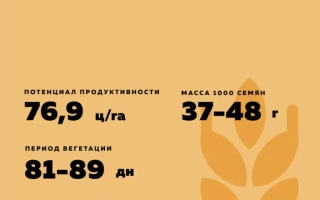
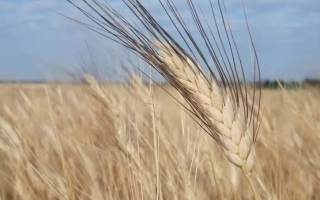
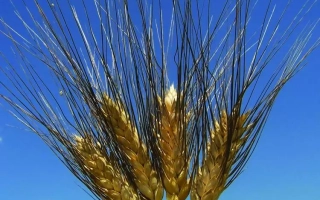
Kremen is a variety of hard spring wheat (Triticum durum Desf.), characterized by medium maturity with a vegetation period of 76-82 days. It ripens simultaneously with the variety Tverdinya and slightly earlier than standards of Samara selection. The plant is of medium height with a semi-erect stem and medium straw thickness, possesses good resistance to lodging and drought, surpassing some standards in these indicators. The ear is pyramidal, of medium length and density, with white awns, and the grain is semi-elongated and white. The mass of 1000 grains is 36-43 grams. The yield of the variety in the Ural region reaches an average of 20.1 c/ha, with maximum indicators up to 41.5 c/ha, which makes it promising for cultivation in the Kurgan and Orenburg regions. Pasta qualities of the grain are good, however, the variety is sensitive to hard head smut and is significantly damaged by the wheat bug and wheat beetle.
Silicon (Si) plays an important role in wheat nutrition, contributing to the improvement of physiological processes in plants, such as gas exchange, chlorophyll content, light conversion, and carbohydrate metabolism. Accumulation of silicon in wheat tissues depends on the availability of its forms in the soil and the variety's ability to absorb this element. The introduction of silicon fertilizers contributes to the reduction of damage from major leaf and ear diseases, activating plant defense mechanisms and increasing their resistance to unfavorable conditions.
Studies show that the application of silicon fertilizers significantly increases biomass and wheat yield, in some cases up to 80% compared to traditional agriculture. In addition, improved carbon absorption and water availability in the soil contribute to increased plant drought resistance. Thus, the Kremen variety in combination with proper application of silicon fertilizers represents an effective solution for increasing wheat productivity and resistance under Ural region conditions.