


SKU #59967
·
32 views
Wheat BEZENCHUKSKAYA 209
Wheat
User rating
0 votes0% positive reviews
No ratings yet — be the first.
Type of Development
Spring wheat
Wheat Type
Hard wheat
Ostistost'
Ostistaya
Growing Season
80-90 days
About product

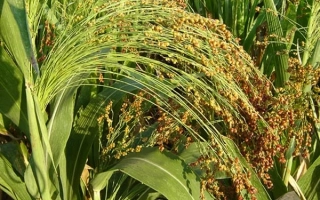
Hard spring wheat variety Bezenchukskaya 209 is a mid-season type with a vegetative period of 72 to 90 days, depending on the growing region. The plant is medium-height with a semi-erect tiller and medium straw height; the flag leaf blade, neck, head, and sheath are covered with a strong waxy bloom. The head is pyramidal, medium length and density, with brown awns longer than the head. The grain i…
Type of Development
Spring wheat
Wheat Type
Hard wheat
Ostistost'
Ostistaya
Growing Season
80-90 days
Description
Hard spring wheat variety Bezenchukskaya 209 is a mid-season type with a vegetative period of 72 to 90 days, depending on the growing region. The plant is medium-height with a semi-erect tiller and medium straw height; the flag leaf blade, neck, head, and sheath are covered with a strong waxy bloom. The head is pyramidal, medium length and density, with brown awns longer than the head. The grain is semi-elongated, very light, with a short awn; the 1000-grain weight ranges from 33 to 45 grams. The variety is characterized by good drought resistance, which is above average, and resistance to lodging, ensuring yield stability under various climatic conditions. Bezenchukskaya 209 exhibits high resistance to powdery mildew and brown rust, but is moderately susceptible to solid loose smut and susceptible to dusty loose smut. Average yield in growing regions ranges from 13 to 22 centners per hectare, with maximum yields reaching up to 57 centners per hectare, indicating the variety's high potential. The pasta qualities of Bezenchukskaya 209 are rated as good, making it in demand for macaroni production. The variety is recommended for cultivation in the Middle Volga, Lower Volga, and Ural regions, including Samara Oblast, where it demonstrated yield increases compared to similar varieties. Thanks to its agronomic characteristics and grain quality, Bezenchukskaya 209 is a reliable choice for farmers focused on producing hard wheat with high technological properties.
Crop & resistance
Crop
Disease resistance
Specifications hover over for a hint about the specification
| Type of Development | |
|---|---|
|
Wheat Type
Wheat Type
Biologically hard wheat differs from soft wheat in its greater demand for soil fertility and agronomic conditions (especially regarding field cleanliness from weeds), lower drought resistance and plasticity, relatively weaker root development, especially nodal roots, and lower ti... |
|
| Ostistost' | |
| Growing Season | 80-90 days |
| Plant; height | 60-70 cm |
| Seed: mass 1.000 pcs seeds | 35-40 grams |
| Resistance to lodging | |
| Potential Yield | 8-9 tons |
| Registration year | 2013 |
| Catalog | Catalog → Wheat |
| Legal data |
Show · 8
|
| Country | Russia |
Store offers
Prices are updated on loadLoading offers…
Aggregator catalog: prices are collected automatically from store websites, normalized by AI and converted at the current exchange rate. Before ordering, confirm the price and availability on the store's website. This block is not indexed by search engines — the data is loaded after the page opens.
Not yet комментариев. Be the first!
Alternatives
Wheat seeds · similar varieties






See also
Often considered together with this variety





Recently viewed
Products you’ve viewed on this site
Reviews · 0