


SKU #59955
·
31 views
BEZENCHUKSKAYA FORTRESS
Wheat
User rating
0 votes0% positive reviews
No ratings yet — be the first.
Type of Development
Spring wheat
Wheat Type
Hard wheat
Ostistost'
Ostistaya
Growing Season
80-90 days
About product

Hard spring wheat of the "Bezenchukskaya Fortress" variety is a mid-early variety developed for high yield and excellent grain quality. The vegetative period is 78-89 days, allowing the variety to mature simultaneously with the Bashkirskaya 27 variety. The plant is medium-height with a semi-upright bush and medium straw thickness. The ear is pyramidal, short, white, and of medium density, with whi…
Type of Development
Spring wheat
Wheat Type
Hard wheat
Ostistost'
Ostistaya
Growing Season
80-90 days
Description
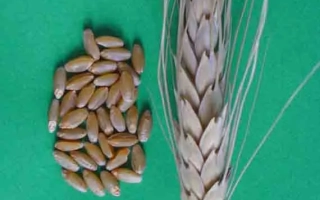
Hard spring wheat of the "Bezenchukskaya Fortress" variety is a mid-early variety developed for high yield and excellent grain quality. The vegetative period is 78-89 days, allowing the variety to mature simultaneously with the Bashkirskaya 27 variety. The plant is medium-height with a semi-upright bush and medium straw thickness. The ear is pyramidal, short, white, and of medium density, with white awns longer than the ear. The grain is semi-elongated, very light, with a medium-length awn. The mass of 1000 grains varies from 37 to 48 grams. The variety has good resistance to lodging and drought at the level of the standard, and is resistant to brown rust and hard head smut. It is moderately susceptible to powdery mildew and weakly affected by powdery mildew in field conditions. Due to translocation in chromosome 6V from T. timopheevii, the variety has increased resistance to powdery mildew and leaf spots. These characteristics make "Bezenchukskaya Fortress" a reliable choice for cultivation in various climatic conditions, including the Ural region and the Republic of Bashkortostan. The variety's pasta qualities are high, the grain consistently meets the first class in terms of completeness and vitreousness. Carotenoid content approaches the level of the "Bezenchukskaya Golden" variety, which improves the nutritional value of the product. Dough made from the grain of this variety has good rheological properties, and pasta made from it is distinguished by excellent cooking and culinary qualities. The variety was created by the method of individual selection and hybridization, which allowed combining the best genetic qualities of the ancestors in it, including resistance to diseases and high yield, reaching in individual cases up to 51.7 c/ha.
Crop & resistance
Crop
Specifications hover over for a hint about the specification
| Type of Development | |
|---|---|
|
Wheat Type
Wheat Type
Biologically hard wheat differs from soft wheat in its greater demand for soil fertility and agronomic conditions (especially regarding field cleanliness from weeds), lower drought resistance and plasticity, relatively weaker root development, especially nodal roots, and lower ti... |
|
| Ostistost' | |
| Growing Season | 80-90 days |
| Seed: mass 1.000 pcs seeds | 35-40 grams |
| Resistance to lodging | |
| Potential Yield | 8-9 tons |
| Registration year | 2018 |
| Catalog | Catalog → Wheat |
| Legal data |
Show · 2
|
| Country | Russia |
Store offers
Prices are updated on loadLoading offers…
Aggregator catalog: prices are collected automatically from store websites, normalized by AI and converted at the current exchange rate. Before ordering, confirm the price and availability on the store's website. This block is not indexed by search engines — the data is loaded after the page opens.
Not yet комментариев. Be the first!
Alternatives
Wheat seeds · similar varieties








See also
Often considered together with this variety





Recently viewed
Products you’ve viewed on this site
Reviews · 0