


SKU #59952
·
30 views
CELYNNITSA
Wheat
User rating
0 votes0% positive reviews
No ratings yet — be the first.
Type of Development
Spring wheat
Wheat Type
Hard wheat
Seed: mass 1.000 pcs seeds
35-40 grams
Grain: gluten content
More than 30%
About product

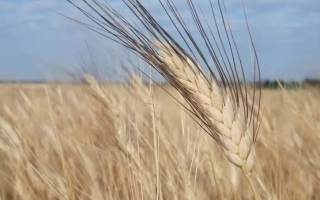
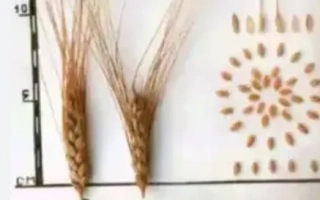
Celynnitsa is a variety of spring durum wheat (Triticum durum Desf.) characterized by medium ripening with a vegetative period of 75-86 days. The plant features a long stem with a semi-erect bush and weakly formed straw. The head is cylindrical, short, of medium density with long light-brown awns. The grain is elongated, light-colored, with a medium-length awn; the mass of 1000 grains ranges from…
Type of Development
Spring wheat
Wheat Type
Hard wheat
Seed: mass 1.000 pcs seeds
35-40 grams
Grain: gluten content
More than 30%
Description
Celynnitsa is a variety of spring durum wheat (Triticum durum Desf.) characterized by medium ripening with a vegetative period of 75-86 days. The plant features a long stem with a semi-erect bush and weakly formed straw. The head is cylindrical, short, of medium density with long light-brown awns. The grain is elongated, light-colored, with a medium-length awn; the mass of 1000 grains ranges from 33 to 45 grams. The variety has good drought resistance and lodging resistance, as well as low susceptibility to root rots, powdery bunt, stem rust, and brown rust. Celynnitsa is distinguished by high yield and good stem uniformity, which facilitates efficient mechanized harvesting. The average yield in the region is 19.1 centners/ha, and the maximum is 40.2 centners/ha, confirming its productivity. The grain has high milling quality and excellent macaronic properties: grain natural density reaches 700-812 g/l, vitreousness is 90-95%, protein content is 15.3-16.4%, and raw gluten is 33-39%. The overall rating of macaronic properties is in the range of 4.0-4.8 points, making the variety attractive for pasta production. Additionally, uncleaned Celynnitsa wheat grain is recommended for preparing infusions and decoctions with general strengthening and therapeutic properties. The grain is rich in B-group vitamins, magnesium, calcium, and phosphorus, which contribute to maintaining nervous system health, lowering blood pressure, and strengthening bones. Whole grains contain a significant amount of fiber, protein, and fatty acids, making this variety useful not only for industrial use but also for healthy eating.
Crop & resistance
Crop
Disease resistance
Specifications hover over for a hint about the specification
| Type of Development | |
|---|---|
|
Wheat Type
Wheat Type
Biologically hard wheat differs from soft wheat in its greater demand for soil fertility and agronomic conditions (especially regarding field cleanliness from weeds), lower drought resistance and plasticity, relatively weaker root development, especially nodal roots, and lower ti... |
|
| Seed: mass 1.000 pcs seeds | 35-40 grams |
|
Grain: gluten content
Grain: gluten content
Raw gluten of grain is a hydrated protein and consists of water-insoluble protein fractions, as well as a small amount of starch, fats, and other substances firmly bound by proteins. Since gluten is primarily composed of proteins, its yield and quality depend on the quantity and... |
More than 30% |
| Resistance to lodging | |
| Potential Yield | 9-10 tons |
| Registration year | 2020 |
| Catalog | Catalog → Wheat |
| Legal data |
Show · 2 |
| Country | Russia |
Store offers
Prices are updated on loadLoading offers…
Aggregator catalog: prices are collected automatically from store websites, normalized by AI and converted at the current exchange rate. Before ordering, confirm the price and availability on the store's website. This block is not indexed by search engines — the data is loaded after the page opens.
Not yet комментариев. Be the first!
Alternatives
Wheat seeds · similar varieties





See also
Often considered together with this variety





Recently viewed
Products you’ve viewed on this site
Reviews · 0