


SKU #37367
·
43 views
Dolya
Wheat
Dnipro State Agrarian UniversityUser rating
0 votes0% positive reviews
No ratings yet — be the first.
Type of Development
Winter wheat
Wheat Type
Soft wheat variety
Seed: mass 1.000 pcs seeds
35-40 grams
Winter Hardiness, Ratings (9-1)
8, 9
About product

Winter soft wheat Dolya is a high-quality variety intended for producing food-grade grain with excellent technological properties. The grain is red, medium-sized, egg-shaped, with a thousand-grain weight of 39–43 grams. The ear is straw-yellow, spindle-shaped, of medium density, ensuring good yield, reaching 57.9–64.7 centners per hectare. The variety belongs to the group of strong wheats, with pr…
Type of Development
Winter wheat
Wheat Type
Soft wheat variety
Seed: mass 1.000 pcs seeds
35-40 grams
Winter Hardiness, Ratings (9-1)
8, 9
Description
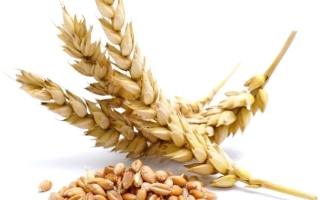
Winter soft wheat Dolya is a high-quality variety intended for producing food-grade grain with excellent technological properties. The grain is red, medium-sized, egg-shaped, with a thousand-grain weight of 39–43 grams. The ear is straw-yellow, spindle-shaped, of medium density, ensuring good yield, reaching 57.9–64.7 centners per hectare. The variety belongs to the group of strong wheats, with protein content in the grain ranging from 11.8% to 13.8%, flour strength of 407 standard units, and bread volume from 100 grams of flour of 1620 cm³, confirming high product quality.
Dolya is distinguished by high resistance to various diseases and stress factors. The variety has high winter hardiness, cold resistance, drought tolerance, and heat tolerance. Resistance to lodging and shattering is rated at 8–9 points, as well as high resistance to brown rust, powdery mildew, root rots, and Fusarium ear blight. These characteristics make the variety a reliable choice for cultivation under various climatic conditions, especially in the Steppe region.
To achieve maximum yield and grain quality, it is recommended to cultivate using conventional or intensive technology with main fertilizers and top-dressings, especially nitrogenous ones, which positively affect yield and grain technological properties. For obtaining high-value food-grade grain, it is advisable to treat sown crops against harmful weevils and apply one application of urea as a foliar fertilizer. The variety adapts well to various sowing dates and seeding rates, allowing flexible planning of agronomic practices.
Dolya is distinguished by high resistance to various diseases and stress factors. The variety has high winter hardiness, cold resistance, drought tolerance, and heat tolerance. Resistance to lodging and shattering is rated at 8–9 points, as well as high resistance to brown rust, powdery mildew, root rots, and Fusarium ear blight. These characteristics make the variety a reliable choice for cultivation under various climatic conditions, especially in the Steppe region.
To achieve maximum yield and grain quality, it is recommended to cultivate using conventional or intensive technology with main fertilizers and top-dressings, especially nitrogenous ones, which positively affect yield and grain technological properties. For obtaining high-value food-grade grain, it is advisable to treat sown crops against harmful weevils and apply one application of urea as a foliar fertilizer. The variety adapts well to various sowing dates and seeding rates, allowing flexible planning of agronomic practices.
Crop & resistance
Crop
Disease resistance
Specifications hover over for a hint about the specification
| Type of Development | |
|---|---|
|
Wheat Type
Wheat Type
Biologically hard wheat differs from soft wheat in its greater demand for soil fertility and agronomic conditions (especially regarding field cleanliness from weeds), lower drought resistance and plasticity, relatively weaker root development, especially nodal roots, and lower ti... |
|
| Seed: mass 1.000 pcs seeds | 35-40 grams |
| Winter Hardiness, Ratings (9-1) | 8, 9 |
| Resistance to lodging | |
| Potential Yield | 5-6 tons |
| Registration year | 2001 |
| Catalog | Catalog → Wheat |
| Manufacturer | Dnipro State Agrarian University |
| Country | Ukraine |
Store offers
Prices are updated on loadLoading offers…
Aggregator catalog: prices are collected automatically from store websites, normalized by AI and converted at the current exchange rate. Before ordering, confirm the price and availability on the store's website. This block is not indexed by search engines — the data is loaded after the page opens.
Not yet комментариев. Be the first!
Alternatives
Wheat seeds · similar varieties


See also
Often considered together with this variety



Recently viewed
Products you’ve viewed on this site
Reviews · 0