

SKU #59332
·
32 views
Darina
Wheat
User rating
0 votes0% positive reviews
No ratings yet — be the first.
Type of Development
Winter wheat
Wheat Type
Soft wheat variety
Grain: gluten content
25-30%
Potential Yield
8-9 tons
Prices in stores
from7.23 €per 1 kg
pack from 361.41 € per 50 kg
1 offer from 1 store
Store offers · 1 from 1 stores
Prices are updated on loadLoading offers…
Available at: Агрозахист
Aggregator catalog: prices are collected automatically from store websites, normalized by AI and converted at the current exchange rate. Before ordering, confirm the price and availability on the store's website. This block is not indexed by search engines — the data is loaded after the page opens.
About product

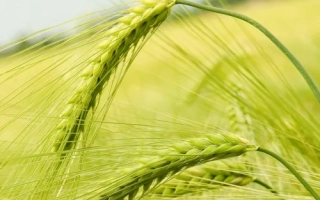
Darina wheat is a soft winter wheat (Triticum aestivum L.) of medium ripening period and tall type. This variety is characterized by a high level of frost and winter hardiness, which ensures its successful cultivation under various climatic conditions. Darina forms a leveled stem density, which contributes to even plant development and improved yield. The average yield of the variety in recommende…
Type of Development
Winter wheat
Wheat Type
Soft wheat variety
Grain: gluten content
25-30%
Potential Yield
8-9 tons
Description
Darina wheat is a soft winter wheat (Triticum aestivum L.) of medium ripening period and tall type. This variety is characterized by a high level of frost and winter hardiness, which ensures its successful cultivation under various climatic conditions. Darina forms a leveled stem density, which contributes to even plant development and improved yield. The average yield of the variety in recommended regions is about 31.6 centners per hectare. The grain of the variety has good baking qualities, making it in demand for flour and bakery products production.
The Darina variety is distinguished by moderate susceptibility to diseases such as brown rust and powdery mildew, which reduces the risk of yield losses and the need for frequent application of protective agents. To achieve maximum productivity, it is recommended to grow this variety using intensive technology with the application of optimal doses of mineral fertilizers. It is important to apply retardants to prevent lodging on high nutrition backgrounds, as well as to carry out timely protection of plants with fungicides after earing. Top-dressing with urea during the heading-milk maturity phase contributes to improving the quality and quantity of grain.
The grain of the Darina variety contains a high level of protein (13.5-14.6%) and crude gluten (about 29%), which ensures flour strength at the level of 270-275 a.e. and loaf volume from 100 grams of flour within 1010-1050 ml. These indicators indicate the high technological value of the grain for the baking industry. The sowing rate is 5.5-6.0 million germinable grains per hectare, depending on the zone and moisture supply conditions. The variety is recommended for cultivation in the Penza region, the Republic of Tatarstan, and other regions with similar climatic conditions.
The Darina variety is distinguished by moderate susceptibility to diseases such as brown rust and powdery mildew, which reduces the risk of yield losses and the need for frequent application of protective agents. To achieve maximum productivity, it is recommended to grow this variety using intensive technology with the application of optimal doses of mineral fertilizers. It is important to apply retardants to prevent lodging on high nutrition backgrounds, as well as to carry out timely protection of plants with fungicides after earing. Top-dressing with urea during the heading-milk maturity phase contributes to improving the quality and quantity of grain.
The grain of the Darina variety contains a high level of protein (13.5-14.6%) and crude gluten (about 29%), which ensures flour strength at the level of 270-275 a.e. and loaf volume from 100 grams of flour within 1010-1050 ml. These indicators indicate the high technological value of the grain for the baking industry. The sowing rate is 5.5-6.0 million germinable grains per hectare, depending on the zone and moisture supply conditions. The variety is recommended for cultivation in the Penza region, the Republic of Tatarstan, and other regions with similar climatic conditions.
Crop & resistance
Crop
Disease resistance
Specifications hover over for a hint about the specification
| Type of Development | |
|---|---|
|
Wheat Type
Wheat Type
Biologically hard wheat differs from soft wheat in its greater demand for soil fertility and agronomic conditions (especially regarding field cleanliness from weeds), lower drought resistance and plasticity, relatively weaker root development, especially nodal roots, and lower ti... |
|
|
Grain: gluten content
Grain: gluten content
Raw gluten of grain is a hydrated protein and consists of water-insoluble protein fractions, as well as a small amount of starch, fats, and other substances firmly bound by proteins. Since gluten is primarily composed of proteins, its yield and quality depend on the quantity and... |
25-30% |
| Potential Yield | 8-9 tons |
| Number of productive stems per hectare | 5.0-5.5 million pcs |
| Registration year | 2017 |
| Catalog | Catalog → Wheat |
| Legal data |
Show · 8
|
| Country | Russia |
Not yet комментариев. Be the first!
Alternatives
Wheat seeds · similar varieties




See also
Often considered together with this variety








Recently viewed
Products you’ve viewed on this site
Reviews · 0