


Prices in stores
No offers yet — stores have not added prices for this product yet.
Similar varieties with prices
-
PETROVSKAYA 1
from 60.97 €per 1 kg
-
 Golden BallZAO 'KOMPANIYa LANS'
from 13.52 €per 1 kg
Golden BallZAO 'KOMPANIYa LANS'
from 13.52 €per 1 kg
-
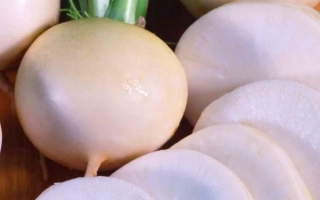 SNOWBALL TURNIPSedek
from 51.4 €per 1 kg
SNOWBALL TURNIPSedek
from 51.4 €per 1 kg
-
 PURPLE WITH WHITE TIPSedek
from 19.75 €per 1 kg
PURPLE WITH WHITE TIPSedek
from 19.75 €per 1 kg
Root vegetable color
Yellow
Flesh
Dense, Juicy
Root vegetable shape
Round
Root vegetable mass, g
60, 80, 250
Your mark
0 votes
0% positive ratings
Description
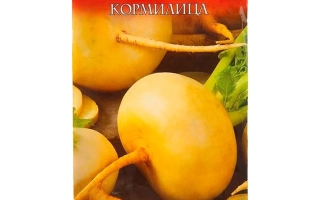
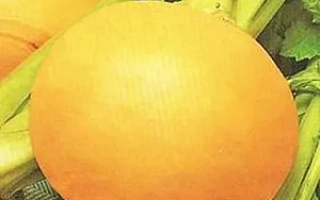
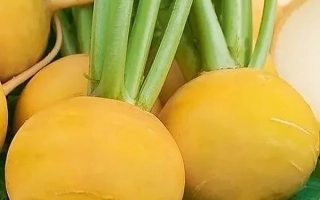
The 'Ginga' turnip is a medium-maturing root vegetable of the cruciferous family with a vegetative period of 76–80 days. The roots have an oval-drop shape with a smooth, thin skin of rich yellow color and dense, juicy flesh of the same shade. The fruit mass usually weighs 60–80 g, but can reach up to 250 g. The taste of the turnip is slightly bitter, however, soaking in hot water reduces the bitterness, which allows it to be used for making puree, soups, stews, as well as frying and steaming.
The variety is characterized by high stress resistance, tolerates both cold and heat well, is resistant to bolting, cracking and flowering. 'Ginga' turnip is characterized by uniform crop formation, increased content of vitamins C and B, proteins and carbohydrates, which makes it a useful and nutritious product. Due to the dense flesh and resistance to damage, the roots are suitable for long-term storage and transportation.
Growing 'Ginga' turnip requires soil preparation with enrichment with manure, superphosphate and potassium fertilizers, as well as maintaining an optimal level of pH 6.0–7.0. Sowing seeds is carried out to a depth of 1–2 cm with row spacing of 20–30 cm in mid-late April for summer crop or in mid-late July for winter. Regular watering is important, especially in the first month, as well as thinning plants in the cotyledon phase and after the formation of 5–6 leaves. For protection from cruciferous flea, the use of systemic insecticides or covering with spunbond is recommended. The harvest is collected selectively as it ripens, removing leaves immediately after collection, which contributes to maintaining the quality of roots until September.
The variety is characterized by high stress resistance, tolerates both cold and heat well, is resistant to bolting, cracking and flowering. 'Ginga' turnip is characterized by uniform crop formation, increased content of vitamins C and B, proteins and carbohydrates, which makes it a useful and nutritious product. Due to the dense flesh and resistance to damage, the roots are suitable for long-term storage and transportation.
Growing 'Ginga' turnip requires soil preparation with enrichment with manure, superphosphate and potassium fertilizers, as well as maintaining an optimal level of pH 6.0–7.0. Sowing seeds is carried out to a depth of 1–2 cm with row spacing of 20–30 cm in mid-late April for summer crop or in mid-late July for winter. Regular watering is important, especially in the first month, as well as thinning plants in the cotyledon phase and after the formation of 5–6 leaves. For protection from cruciferous flea, the use of systemic insecticides or covering with spunbond is recommended. The harvest is collected selectively as it ripens, removing leaves immediately after collection, which contributes to maintaining the quality of roots until September.
Crop & resistance
Crop
Specifications
| Root vegetable color | |
|---|---|
| Flesh | |
| Root vegetable shape | |
| Root vegetable mass, g | 60, 80, 250 |
| Purpose | |
| Features | |
| Registration year | 2022 |
| Catalog | Catalog → Turnip |
| Manufacturer | Vashe Khozyaystvo |
| Country | Russia |
No reviews yet. Be the first to share your experience.



See also
Often considered together with this variety



Recently viewed
Products you’ve viewed on this site
Reviews