


SKU #70013
·
60 views
VARYA
Turnip
Евро-СеменаUser rating
0 votes0% positive reviews
No ratings yet — be the first.
Meat
White
Ripening Period
65, 70
From emergence to harvest (days)
65, 70
Root vegetable mass, g
200
About product

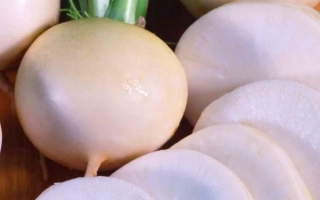
A reliable mid-season variety with excellent shelf life and firm flesh, perfect for winter storage.
Meat
White
Ripening Period
65, 70
From emergence to harvest (days)
65, 70
Root vegetable mass, g
200
Description
Stable harvest: the experience of growing «Varya» turnip
For those planning to stock up on vegetables for the winter, the choice of variety is crucial. The mid-season turnip «Varya» from «Evro-Semena» has firmly established itself in vegetable gardens due to its reliability. When growing, this variety behaves consistently: it takes 65–70 days from germination to technical maturity. This makes it easy to plan your planting season without worrying about sudden temperature drops at the end of the season.
Agrotechnics and field observations
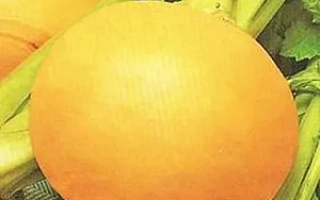
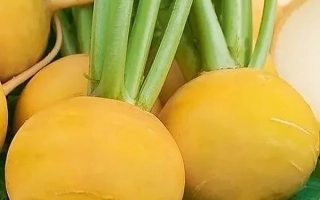
Working with «Varya» is convenient. The root vegetables reach a weight of about 200 grams — the optimal size for culinary processing and storage. The white flesh is firm and free of hollows, which is critical for crop quality. In practice, the variety responds well to soil aeration, as easy oxygen access to the root directly affects its appearance and absence of bitterness.
Why is «Varya» suitable for your garden?
- Versatile use: the variety performs excellently both fresh and as fodder, making it a flexible tool for farming.
- Storage: the breeding work of «Evro-Semena» has resulted in excellent shelf life. If the temperature in the storage facility is maintained, the vegetables remain juicy until mid-winter.
- Predictability: the 65–70 day vegetation period allows for stable results without excessive fertilizer manipulation.
If you are looking for a reliable «workhorse» for your plot that does not require complex agrotechnical schemes, «Varya» is the right choice. It forgives minor care mistakes while providing a dense, even harvest suitable for long-term consumption.
Video · 1 video
Suggest a video →Crop & resistance
Crop
Specifications hover over for a hint about the specification
| Meat | |
|---|---|
|
Ripening Period
Ripening Period
It takes 70-100 days until pepper reaches flowering stage, 130-160 days until technical fruit ripeness, and 135-180 days until physiological ripeness. |
65, 70 |
| From emergence to harvest (days) | 65, 70 |
| Root vegetable mass, g | 200 |
| Assignment | |
| Growing Season | 65, 70 |
| Features | |
| Registration year | 2015 |
| Catalog | Catalog → Turnip |
| Manufacturer | Евро-Семена |
| Legal data |
Show · 2
|
| Country | Russia |
Store offers
Prices are updated on loadLoading offers…
Aggregator catalog: prices are collected automatically from store websites, normalized by AI and converted at the current exchange rate. Before ordering, confirm the price and availability on the store's website. This block is not indexed by search engines — the data is loaded after the page opens.
Not yet комментариев. Be the first!





See also
Often considered together with this variety







Recently viewed
Products you’ve viewed on this site
Reviews · 0