


SKU #70012
·
54 views
LITTLE RED RIDING HOOT
Turnip
SedekUser rating
0 votes0% positive reviews
No ratings yet — be the first.
Root vegetable color
Red
Meat
White
Ripening Period
65, 70
From emergence to harvest (days)
65, 70
About product

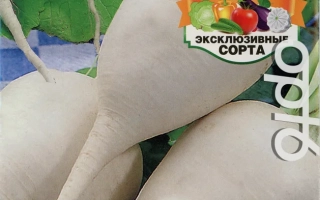
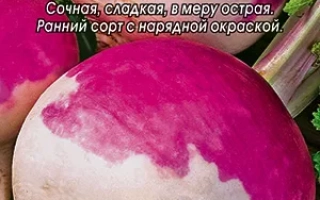
The turnip variety "Little Red Riding Hoot" is a medium-early vegetable with a maturity period of 65-70 days. The plant forms a semi-upright, vigorous rosette of leaves, while the root has an elongated shape with white flesh and a characteristic purple-red color on the top. The root mass is 200-250 grams, and its flesh is juicy, tender, and has an excellent taste. The yield of the variety reaches…
Root vegetable color
Red
Meat
White
Ripening Period
65, 70
From emergence to harvest (days)
65, 70
Description
The turnip variety "Little Red Riding Hoot" is a medium-early vegetable with a maturity period of 65-70 days. The plant forms a semi-upright, vigorous rosette of leaves, while the root has an elongated shape with white flesh and a characteristic purple-red color on the top. The root mass is 200-250 grams, and its flesh is juicy, tender, and has an excellent taste. The yield of the variety reaches 2.5-3.3 kg per square meter, which ensures a good output of products with proper care.
The variety is valued for its disease and bolting resistance, as well as its ease of cultivation. The turnip is well adapted to moderately cold climatic conditions, withstands temperatures below +5 °C, and prefers loose, fertile soils with a pH from 6.0 to 7.5. For optimal growth, it is recommended to fertilize the soil with nitrogen and phosphorus at planting, and to apply potassium during the vegetative period. Despite resistance to most fungal diseases, infestations with powdery mildew and root rot are possible, so fungicides should be used at the first signs of disease.
The turnip "Little Red Riding Hoot" has a high content of vitamins and microelements, such as vitamin C, B6, potassium, and magnesium, and does not contain starch, which makes it especially useful for dietary food, including the diet for diabetes and obesity. The roots are consumed fresh, as well as boiled, steamed, or baked, which allows them to be used in various culinary dishes, including soups, purees, and pickles. High nutritional value and versatility make this variety attractive for cultivation and consumption.
The variety is valued for its disease and bolting resistance, as well as its ease of cultivation. The turnip is well adapted to moderately cold climatic conditions, withstands temperatures below +5 °C, and prefers loose, fertile soils with a pH from 6.0 to 7.5. For optimal growth, it is recommended to fertilize the soil with nitrogen and phosphorus at planting, and to apply potassium during the vegetative period. Despite resistance to most fungal diseases, infestations with powdery mildew and root rot are possible, so fungicides should be used at the first signs of disease.
The turnip "Little Red Riding Hoot" has a high content of vitamins and microelements, such as vitamin C, B6, potassium, and magnesium, and does not contain starch, which makes it especially useful for dietary food, including the diet for diabetes and obesity. The roots are consumed fresh, as well as boiled, steamed, or baked, which allows them to be used in various culinary dishes, including soups, purees, and pickles. High nutritional value and versatility make this variety attractive for cultivation and consumption.
Crop & resistance
Crop
Specifications hover over for a hint about the specification
| Root vegetable color | |
|---|---|
| Meat | |
|
Ripening Period
Ripening Period
It takes 70-100 days until pepper reaches flowering stage, 130-160 days until technical fruit ripeness, and 135-180 days until physiological ripeness. |
65, 70 |
| From emergence to harvest (days) | 65, 70 |
| Root vegetable shape | |
| Root vegetable mass, g | 200, 250 |
| Assignment | |
|
Yield
Yield
Overall bulb harvest per unit area. Depends on both onion variety characteristics and agronomic practices, fertilizers, and irrigation. Under optimal growing conditions, an onion yield of 100 tons per hectare and above is not considered record-breaking. |
2.5, 3.0 |
| Features | |
| Registration year | 2015 |
| Catalog | Catalog → Turnip |
| Manufacturer | Sedek |
| Legal data |
Show · 3
|
| Country | Russia |
Store offers
Prices are updated on loadLoading offers…
Aggregator catalog: prices are collected automatically from store websites, normalized by AI and converted at the current exchange rate. Before ordering, confirm the price and availability on the store's website. This block is not indexed by search engines — the data is loaded after the page opens.
Not yet комментариев. Be the first!





See also
Often considered together with this variety





Recently viewed
Products you’ve viewed on this site
Reviews · 0