


SKU #70015
·
56 views
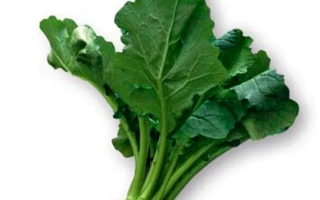
KOMATSUNA SALAD
Turnip
MARUTANE CO.,LTDUser rating
0 votes0% positive reviews
No ratings yet — be the first.
Assignment
Fresh Table
Registration year
2015
Store offers · 3 from 3 stores
Prices are updated on loadLoading offers…
Available at: Акции · Microgreen · Фазенда
Aggregator catalog: prices are collected automatically from store websites, normalized by AI and converted at the current exchange rate. Before ordering, confirm the price and availability on the store's website. This block is not indexed by search engines — the data is loaded after the page opens.
About product

A Japanese quality standard featuring a tender texture and rapid growth for efficient, high-volume production.
Assignment
Fresh Table
Registration year
2015
Description
Japanese breeding in the leafy turnip segment
Komatsuna from Marutane is a product of specialized breeding, adapted to the rigorous demands of the professional fresh produce market. Unlike standard leafy greens, the "Salad Komatsuna" hybrid exhibits metabolic stability that is unique for the crop, particularly when exposed to varying light regimes.
Technological features and morphology
- Photosensitivity and growth rates: The genetic architecture of this hybrid allows for reaching commercial maturity in a condensed timeframe. This is critical for continuous production cycles: the short vegetation period mitigates the bolting risks typical of long-day conditions.
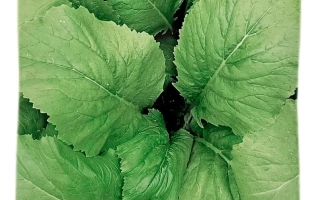
- Leaf morphology: The plant develops a rosette with an intense, upright habit. This vertical leaf orientation ensures optimal air circulation within the canopy, reducing the incidence of fungal pathogens and facilitating mechanical harvesting.
- Biochemical profile: The leaf blade features a delicate texture, devoid of the excessive fibrous toughness found in wild types. A low bitterness profile makes this variety highly sought after in the premium salad mix segment.
Practical application in protected and open field conditions
Marutane designed this variety as a tool for year-round cultivation. Its high plasticity to temperature fluctuations allows for greenhouse production during the winter-spring period, even when insolation is limited. In practice, this manifests in the retention of a deep, dark green leaf color, which correlates directly with the market value of the final product.
When grown in open fields, "Salad Komatsuna" demonstrates resilience to short-term fluctuations in soil moisture. The root system effectively absorbs nitrogen compounds, allowing for reduced mineral fertilizer dosages without sacrificing commercial yield mass.
Crop & resistance
Crop
Specifications
| Assignment | |
|---|---|
| Registration year | 2015 |
| Catalog | Catalog → Turnip |
| Manufacturer | MARUTANE CO.,LTD |
| Country | Japan |
Not yet комментариев. Be the first!





See also
Often considered together with this variety







Recently viewed
Products you’ve viewed on this site
Reviews · 0