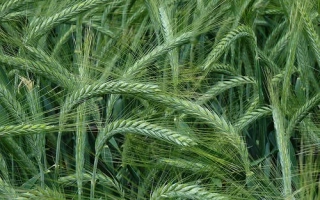
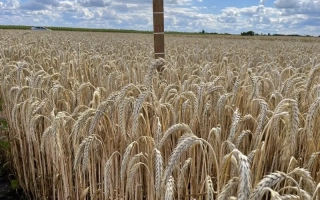
Triticale is an artificially bred hybrid of wheat and rye, developed at the end of the 19th century. The name of the crop comes from the Latin words Triticum (wheat) and Secale (rye). Due to the combination of genetic material from its parents, triticale exhibits high winter hardiness, resistance to root rots and viral diseases, as well as ecological plasticity, allowing it to be grown under more extreme conditions compared to other cereal crops. Triticale plants are characterized by a powerful leaf apparatus, exceeding wheat by 25-50%, and a well-developed root system, which is especially important when cultivating on sloping and eroded soils.
Triticale grain has high biological value, surpassing wheat and rye in terms of energy content, protein, and essential amino acids such as lysine, valine, threonine, and others. It also contains significant amounts of macro- and microelements, including copper, phosphorus, potassium, magnesium, calcium, sodium, zinc, manganese, and iron, as well as B-complex vitamins and vitamin E. Flour from triticale has a slightly sweet taste, a light nutty aroma, and a creamy color, making it especially suitable for baking cookies, cakes, muffins, and pastries. Bread products made from this flour are airy and remain fresh for a long time due to its low gluten content.
Triticale is widely used as both a grain and feed crop. The green mass of triticale has a high biological yield potential and retains succulence until the end of the milk ripening stage, allowing for multiple cuttings without additional irrigation. In animal feeding, triticale increases average daily gain and reduces feed costs per unit of gain. Additionally, triticale grain is used in the production of starch, beer, alcohol, kvass, and environmentally friendly bioethanol fuel. Thanks to its agronomic and nutritional characteristics, triticale is a profitable and promising crop for cultivation under various climatic conditions.