


SKU #47145
·
98 views
Trifon
Triticale
User rating
0 votes0% positive reviews
No ratings yet — be the first.
Type
Winter triticale
Registration year
2024
About product

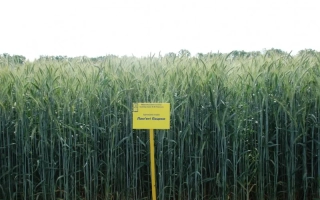
High-yielding winter triticale variety with strong stems and enhanced disease resistance.
Type
Winter triticale
Registration year
2024
Description
Engineering Potential of Winter Triticale "Trifon"
Developed by the V. Ya. Yuryev Plant Production Institute, the Trifon variety is the result of targeted breeding aimed at combining high yield potential with adaptability to the soil and climatic conditions of Ukraine. This hexaploid hybrid successfully aggregates the plasticity of rye and the productivity of wheat.
Morphophysiological Features
The core of the variety's productivity lies in its architectonics. The plant features a robust stem with high lodging resistance, which is critical when applying high doses of nitrogen fertilizers. The ear is dense with a high grain count, allowing the variety to achieve yields of 80–95 dt/ha under intensive management.
- Winter Hardiness and Regeneration: The variety demonstrates a high level of frost resistance, ensuring successful overwintering even under the unstable temperature fluctuations typical of the forest-steppe zone.
- Immune Status: The genetic architecture is optimized for resistance against major fungal pathogens, including powdery mildew and leaf rust, which effectively lowers the fungicide demand for the crop.
- Grain Quality: High protein content and a well-balanced amino acid profile make "Trifon" not only a valuable fodder crop but also a promising raw material for the processing industry.
Field application shows the variety is exceptionally responsive to sowing dates. Due to its well-developed root system, the variety efficiently utilizes autumn and winter moisture, minimizing the risks of nutrient deficiency during the early spring vegetative stages.
Specifications hover over for a hint about the specification
|
Type
Type
Galia (Galia) type — relatively new, of Israeli origin, although there are indications that this variety may originate from Spain. The fruits of this type are round or oval, weighing about 1 kg. The surface is smooth, covered with a delicate, connected netting, turning yellow whe... |
|
|---|---|
| Registration year | 2024 |
| Catalog | Catalog → Triticale |
| Legal data |
Show · 1
|
| Country | Ukraine |
Store offers
Prices are updated on loadLoading offers…
Aggregator catalog: prices are collected automatically from store websites, normalized by AI and converted at the current exchange rate. Before ordering, confirm the price and availability on the store's website. This block is not indexed by search engines — the data is loaded after the page opens.
Not yet комментариев. Be the first!
Alternatives
Triticale seeds · similar varieties


See also
Often considered together with this variety




Recently viewed
Products you’ve viewed on this site
Reviews · 0