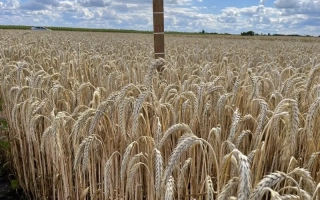
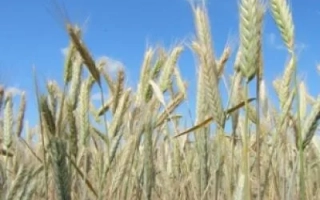
Tadeus — this is a winter triticale variety, a cereal hybrid of rye and wheat, intended for agricultural cultivation. This variety is distinguished by its high cold resistance, enabling it to successfully withstand harsh winter conditions and ensure stable growth in various climatic zones. Thanks to its short and strong straw, Tadeus exhibits high resistance to lodging, significantly reducing yield losses and facilitating harvest.
One of the key features of this variety is its excellent tolerance to powdery mildew and leaf diseases, which contributes to maintaining plant health and improving grain quality. Tadeus demonstrates a high level of yield stability, making it a reliable choice for farmers aiming for sustainable grain production. The seeding rate varies from 280 to 380 seeds per square meter and depends on sowing time and soil fertility, allowing adaptation of agronomic practices to specific growing conditions.
Sowing dates for the Tadeus variety include optimal and late options, ensuring flexibility in planning the sowing campaign. The variety’s characteristics cover plant growth and development profiles as well as harvest structure, which is important for agronomic planning and achieving maximum productivity. Thanks to its advantages, Tadeus is a modern classic among triticale varieties, combining reliability, disease resistance, and high yield.