

SKU #47140
·
57 views
Triticale Slavetne
Triticale
Prices in stores
from0.27 €per 1 kg
pack from 268.15 € per 1 t
3 offers from 3 stores
Type
Winter triticale
Plant Height
100-110 cm
Registration year
2003
Your mark
0 votes
0% positive ratings
Store offers · 3 from 3 stores
3 offers in 3 stores — from 0.27 € per 1 kg.
Available at: Агропошта · Хаском Трейд · Khaskom
Prices are collected automatically from store websites and converted at the current exchange rate. Check the price and availability on the store website before ordering.
Description
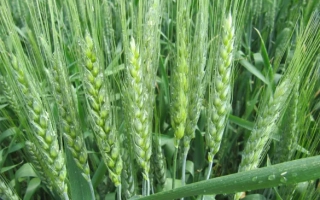
The winter triticale variety Slavetne is characterized by high yield and resistance to adverse weather conditions. It has a strong, semi-erect plant with a height of 100–115 cm at flowering. The stem is weakly branched, without waxy coating or hairs, ensuring resistance to lodging and stem breakage. Leaves have short, narrow blades without wax coating on the sheath, covered with a medium number of leaves without wax coating. The ear is dense, white, 11–13 cm long, covered with small awns along its entire length, with a lower glume without hairs and a short awn. The grain is large, red, resembling wheat, with a thousand-grain weight of 40–60 g. During harvest, the grain easily separates, reducing the likelihood of fusarium infection.
The Slavetne variety demonstrates high winter hardiness, rated 8.0–8.5, enabling good survival through frost and continued growth even under cloudy weather. Growth begins in autumn and continues until frost, with spring regrowth occurring later, reducing the risk of spring frost damage. The variety is resistant to lodging (7.6–8.5), shattering (8.7–9.0), drought (7.9–8.3), as well as major diseases such as powdery mildew (7.9–8.1), rust (7.9), and fusarium (7.9–8.1). It is practically immune to pathogenic diseases and pests.
The yield of this variety in the Forest-Steppe region reaches 48.2 c/ha, in the Polissia region — 53.7 c/ha, with guaranteed yield increases of 5.9–12.6 c/ha. Protein content in the grain is high — 13.3–14.6%. The variety is recommended for cultivation in the Forest-Steppe and Polissia regions and is intended for grain use, making it an attractive choice for agricultural producers seeking a stable and high-quality triticale harvest.
The Slavetne variety demonstrates high winter hardiness, rated 8.0–8.5, enabling good survival through frost and continued growth even under cloudy weather. Growth begins in autumn and continues until frost, with spring regrowth occurring later, reducing the risk of spring frost damage. The variety is resistant to lodging (7.6–8.5), shattering (8.7–9.0), drought (7.9–8.3), as well as major diseases such as powdery mildew (7.9–8.1), rust (7.9), and fusarium (7.9–8.1). It is practically immune to pathogenic diseases and pests.
The yield of this variety in the Forest-Steppe region reaches 48.2 c/ha, in the Polissia region — 53.7 c/ha, with guaranteed yield increases of 5.9–12.6 c/ha. Protein content in the grain is high — 13.3–14.6%. The variety is recommended for cultivation in the Forest-Steppe and Polissia regions and is intended for grain use, making it an attractive choice for agricultural producers seeking a stable and high-quality triticale harvest.
Crop & resistance
Disease resistance
Specifications
| Type | |
|---|---|
| Plant Height | 100-110 cm |
| Registration year | 2003 |
| Catalog | Catalog → Triticale |
| Legal data |
Show · 1
|
| Country | Ukraine |
No reviews yet. Be the first to share your experience.
Alternatives
Triticale seeds · similar varieties


See also
Often considered together with this variety





Recently viewed
Products you’ve viewed on this site
Reviews