
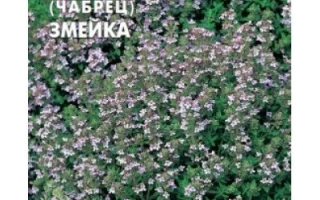

SKU #72846
·
59 views
Fantasy
Thyme
User rating
0 votes0% positive reviews
No ratings yet — be the first.
Herbs
Thyme
Plant Height
15-30
Growth Form
Semi-shrub
Flower Color
Pink, Violet
About product

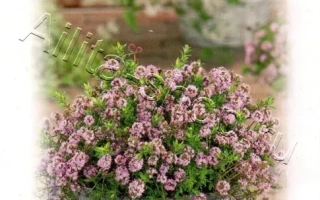
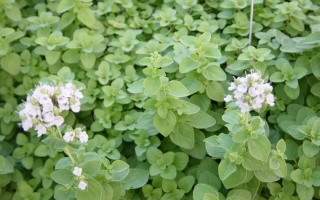
Thyme is a perennial subshrub up to 15–20 cm tall with thin stems and small petiolate leaves, which have an oblong-oval shape, opposite arrangement and prominent veins. Flowers pink-purple are gathered in loose capitate inflorescences at the ends of branches, and the fruit is a small smooth nutlet.In hydroponic cultivation, thyme seed sowing is carried out at controlled temperature and humidity. A…
Herbs
Thyme
Plant Height
15-30
Growth Form
Semi-shrub
Flower Color
Pink, Violet
Description
Thyme is a perennial subshrub up to 15–20 cm tall with thin stems and small petiolate leaves, which have an oblong-oval shape, opposite arrangement and prominent veins. Flowers pink-purple are gathered in loose capitate inflorescences at the ends of branches, and the fruit is a small smooth nutlet.
In hydroponic cultivation, thyme seed sowing is carried out at controlled temperature and humidity. After germination, seedlings are carefully transplanted to a permanent location, where optimal levels of illumination, pH and EC of the solution are maintained. The nutrient solution contains necessary micro- and macro-elements, as well as measures for disease and pest prevention. Such an approach allows obtaining high-quality harvest, which after harvesting is stored under conditions that preserve aroma and freshness.
Thyme is widely used in cuisine due to its spicy, slightly bitter taste. Leaves are added to tea, smoked meat, game, pâtés, cheeses and cottage cheese; branches are used for fried fish, liver and offal. Young shoots are sometimes used for pickling cucumbers. Thanks to the rich aromatic profile, thyme becomes an indispensable ingredient in various dishes.
In hydroponic cultivation, thyme seed sowing is carried out at controlled temperature and humidity. After germination, seedlings are carefully transplanted to a permanent location, where optimal levels of illumination, pH and EC of the solution are maintained. The nutrient solution contains necessary micro- and macro-elements, as well as measures for disease and pest prevention. Such an approach allows obtaining high-quality harvest, which after harvesting is stored under conditions that preserve aroma and freshness.
Thyme is widely used in cuisine due to its spicy, slightly bitter taste. Leaves are added to tea, smoked meat, game, pâtés, cheeses and cottage cheese; branches are used for fried fish, liver and offal. Young shoots are sometimes used for pickling cucumbers. Thanks to the rich aromatic profile, thyme becomes an indispensable ingredient in various dishes.
Crop & resistance
Crop
Specifications
| Herbs | |
|---|---|
| Plant Height | 15-30 |
| Growth Form | |
| Flower Color | |
| Assignment | |
| Registration year | 2014 |
| Catalog | Catalog → Thyme |
| Legal data |
Show · 8
|
| Country | Russia |
Store offers
Prices are updated on loadLoading offers…
Aggregator catalog: prices are collected automatically from store websites, normalized by AI and converted at the current exchange rate. Before ordering, confirm the price and availability on the store's website. This block is not indexed by search engines — the data is loaded after the page opens.
Not yet комментариев. Be the first!




See also
Often considered together with this variety
AYBOLIT
Сельскохозяйственное Селекционно-производственное Предприятие Сортсемовощ
061 1 offer
0.15 € ≈ 8 ₴





Recently viewed
Products you’ve viewed on this site
Reviews · 0