


SKU #35907
·
48 views
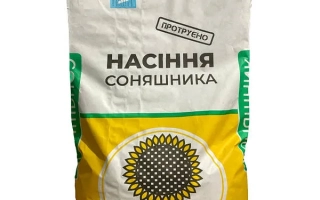
Sunflower Zastava
Sunflower
AF "Flora" LLCUser rating
0 votes0% positive reviews
No ratings yet — be the first.
Hybrid Type
Simple Hybrid
Oil Content
50-55%
Vegetation Period
100-110 days
Plant; height
160-170 cm
About product

The Zastava hybrid sunflower is an early-maturing simple hybrid with a vegetation period of 100-108 days and a time from emergence to flowering of about 62 days. Plants reach a height of 160-180 cm and have a convex flower head with a diameter of 21-24 cm, positioned semi-tilted. The hybrid is characterized by a high oil content in seeds — 50-52% — making it attractive for producing high-quality s…
Hybrid Type
Simple Hybrid
Oil Content
50-55%
Vegetation Period
100-110 days
Plant; height
160-170 cm
Description
The Zastava hybrid sunflower is an early-maturing simple hybrid with a vegetation period of 100-108 days and a time from emergence to flowering of about 62 days. Plants reach a height of 160-180 cm and have a convex flower head with a diameter of 21-24 cm, positioned semi-tilted. The hybrid is characterized by a high oil content in seeds — 50-52% — making it attractive for producing high-quality sunflower oil fractions of extra and standard. Seed moisture content is 21-23%, and the yield potential reaches 5.2 t/ha, indicating high productivity of the crop.
The Zastava hybrid is distinguished by high resistance to adverse environmental factors and diseases. It exhibits high drought tolerance, resistance to lodging and shattering, and demonstrates resistance to major sunflower diseases, including fusarium, fusariosis, rust, powdery mildew, gray and white mold. In addition, the hybrid is resistant to sunflower moth and sunflower aphid, significantly reducing the risk of yield loss and enhancing cultivation reliability.
Modern selection and genetic improvement methods applied in creating the Zastava hybrid ensure high productivity and adaptability to various climatic conditions. This enables effective use of the hybrid in agricultural production for obtaining high-quality oil and other products. Cultivation of the Zastava sunflower requires standard agronomic care, including fertilization and pest protection, which contributes to stable and high yields.
The Zastava hybrid is distinguished by high resistance to adverse environmental factors and diseases. It exhibits high drought tolerance, resistance to lodging and shattering, and demonstrates resistance to major sunflower diseases, including fusarium, fusariosis, rust, powdery mildew, gray and white mold. In addition, the hybrid is resistant to sunflower moth and sunflower aphid, significantly reducing the risk of yield loss and enhancing cultivation reliability.
Modern selection and genetic improvement methods applied in creating the Zastava hybrid ensure high productivity and adaptability to various climatic conditions. This enables effective use of the hybrid in agricultural production for obtaining high-quality oil and other products. Cultivation of the Zastava sunflower requires standard agronomic care, including fertilization and pest protection, which contributes to stable and high yields.
Crop & resistance
Crop
Disease resistance
Pest resistance
Specifications
| Hybrid Type | |
|---|---|
| Oil Content | 50-55% |
| Vegetation Period | 100-110 days |
| Plant; height | 160-170 cm |
| Basket; shape | |
| Basket; size | |
| Registration year | 2005 |
| Catalog | Catalog → Sunflower |
| Manufacturer | AF "Flora" LLC |
| Country | Ukraine |
Store offers
Prices are updated on loadLoading offers…
Aggregator catalog: prices are collected automatically from store websites, normalized by AI and converted at the current exchange rate. Before ordering, confirm the price and availability on the store's website. This block is not indexed by search engines — the data is loaded after the page opens.
Not yet комментариев. Be the first!
Alternatives
Sunflower seeds · similar varieties







See also
Often considered together with this variety







Recently viewed
Products you’ve viewed on this site
Reviews · 0